
Casinos That Accept Tether USDT in Australia — and What That Actually Means
Tether (USDT) is the payment method most Australian players hit when they land on an offshore online casino, and the reason has less to do with crypto enthusiasm than with the fact that no Australian-licensed online casino exists. The Interactive Gambling Act 2001 bans online casino outright, so every operator on this page is licensed somewhere else and reachable from Australia only because the Act targets the operator, not the player. For anyone comparing options in 2026, the question is not which Tether casino is “best” — that ranking depends on criteria the reader alone can weigh — but what each operator is actually offering, what each one costs in fees and wagering terms, and what protections the reader gives up by going offshore.
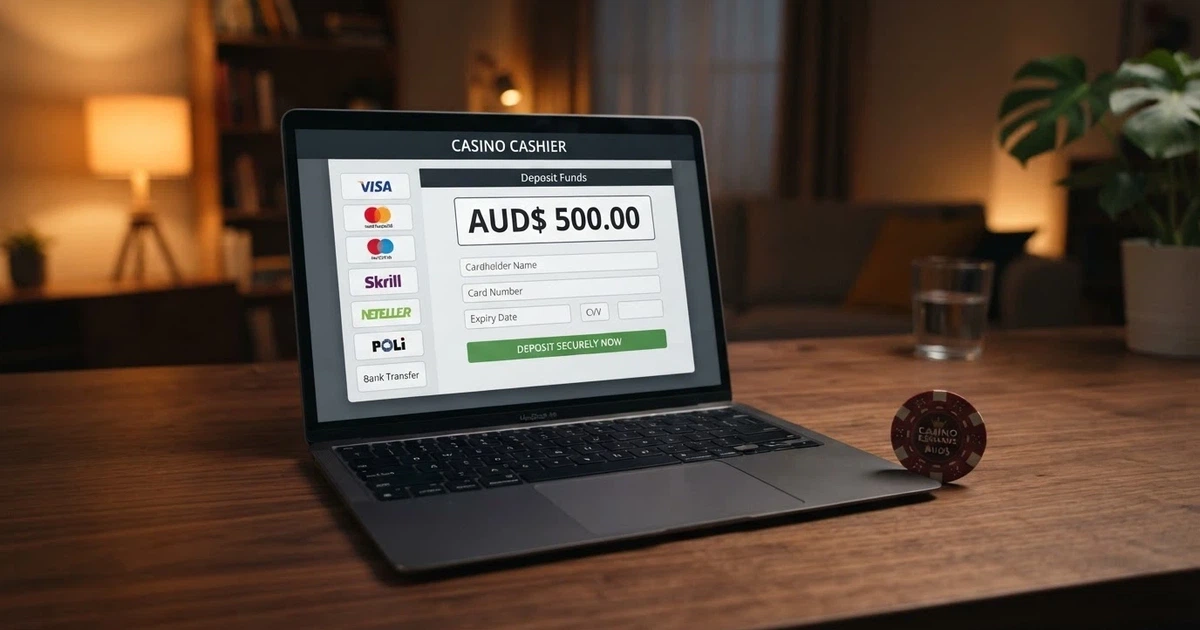
Current as of 29 October 2026. Operator licensing claims verified against the ACMA register.
Table of Contents
- Why Australian players are switching to Tether casinos in 2026
- Depositing with USDT takes minutes — the network you choose sets the cost
- The 10 Tether casinos Australians are playing at in 2026 — every one of them sits offshore
- A Tether casino welcome bonus looks big until the wagering terms kick in
- The pokies pay the same RTP whether you deposit with Tether or dollars — the games do not change
- No KYC means no paper trail — and no safety net when something goes wrong
- Tether casinos work on your phone — a dedicated app, though, is the exception
- New Tether casinos launch regularly — here is what to check before you join one
- No Australian casino licence exists — that single fact changes everything about your Tether play
- The help Australia built will not reach you at an offshore casino
- How we picked the Tether casinos on this page
- Is a Tether casino the right call for you in 2026?
- Frequently asked questions
Why Australian players are switching to Tether casinos in 2026
Three pressures push Australian players toward Tether at offshore casinos, and they stack rather than overlap. Each one alone might be absorbed; together they make a dollar-pegged stablecoin the path of least friction.
What Tether USDT actually is — and why it matters for casino deposits
Tether is a stablecoin pegged to the US dollar at a 1:1 ratio, issued by Tether Limited. Where Bitcoin can swing ten per cent between deposit and withdrawal, USDT stays at a dollar — which is the only useful behaviour when the player is not trading but funding a session of pokies. USDT travels on several networks: Tron (TRC20), Ethereum (ERC20), Solana (SPL) and BSC (BEP20). The token is identical on each network; what differs is the fee the network charges to move it and how long the move takes. For a player moving a few hundred dollars at a time to fund a casino account, the network choice matters more than the coin choice.
Why use a stablecoin at all? Crypto deposits at offshore casinos clear without a bank in the loop. The casino receives a wallet-to-wallet transfer — no card network, no chargeback risk, no daily transfer limit imposed by a payments processor. That clears a regulatory and operational hurdle for the operator, which is why nearly every offshore casino that accepts crypto lists USDT alongside Bitcoin and Ethereum. It also clears an Australian bank-friction hurdle: more on that below.
Why Australian players use crypto casinos — the practical push
Online casino games, online pokies and in-play sports betting are prohibited in Australia under the Interactive Gambling Act 2001, and no licence for any of them exists in any state or territory. The licensed Australian wagering market covers pre-event sports betting, racing and lotteries through operators licensed by bodies such as Licensing NT and the state regulators — none of which offer casino games.
That prohibition cascades into the payment layer. Since 11 June 2024, the Interactive Gambling Amendment (Credit and Other Measures) Act 2023 has banned credit cards, credit-related products and digital currency (crypto) as payment for online wagering in Australia, with penalties of up to A$247,500 for non-compliant operators. The ban is enforceable against licensed Australian operators. It does not bind offshore casinos, but the practical signal is clear: any gambling site that accepts a credit card or a crypto deposit from an Australian is, by definition, outside the Australian rules.
The bank-friction layer is the third pressure. Commonwealth Bank and Westpac now silently restrict outbound transfers to crypto exchanges; ANZ and NAB flag transfers without fully blocking them; ING and Macquarie remain the most permissive. A player who buys USDT on a major exchange — CoinSpot, Independent Reserve, Swyftx — and sends it on-chain to a casino wallet never crosses a bank’s gambling-blocker radar, because there is no gambling-blocker on a chain transfer. Banks see an exchange transaction; what happens after is invisible to them.
So the combination is: no legal Australian online casino, a ban on the usual payment methods, and bank friction on the path to the exchange. USDT sits at the intersection of all three — accepted almost everywhere offshore, peer-to-peer in settlement, and as stable as the dollar it tracks.
Depositing with USDT takes minutes — the network you choose sets the cost
The mechanics of a USDT casino deposit are short and worth describing once, because every operator on this page follows roughly the same flow.
How to deposit with Tether at an Australian-facing casino
The cleanest route runs through an Australian-regulated exchange. Buy USDT on CoinSpot, Independent Reserve or Swyftx using PayID or a bank transfer; the exchange sends the USDT to the player’s personal wallet; the player then withdraws USDT from that wallet to the casino’s deposit address, choosing the network (TRC20, ERC20 or BEP20) on the way.
Casino deposits are typically free of operator-side charges and clear in one to five minutes. The funds usually appear in the player’s casino balance within five to fifteen minutes of the on-chain confirmation. Minimum deposits vary by operator but most sit in the A$10 to A$50 range — Joe Fortune’s minimum USDT deposit is A$5, lower than the A$20 minimum for credit-card deposits, which reflects the operator’s view of crypto as a cheaper rail to process. Whatever the operator’s published minimum, the player should also account for the network fee the player pays to send the USDT — that comes off the wallet, not off the deposit.
The most common mistake is sending USDT on the wrong network. The casino’s cashier page names a specific network for a specific deposit address; sending USDT on ERC20 to a TRC20-only address can mean the funds reach the address but cannot be credited to the casino account, and recovery is at the operator’s discretion.
Cashing out with Tether — how fast Australian players actually get paid
Withdrawals reverse the chain. Verified accounts typically see a USDT withdrawal processed in under two hours, seven days a week, with the funds sitting in the player’s external wallet within fifteen minutes at many Australian-facing crypto casinos using Tether or Litecoin. Operator-side withdrawal charges were zero at every USDT operator in an independent test round; network fees apply on the way out as they did on the way in.
The verification gate is the real speed-determining step. Most offshore casinos allow a first deposit with minimal paperwork — email, sometimes a phone number — but require identity documents (photo ID, proof of address, sometimes a selfie with the ID) before processing the first withdrawal. The first withdrawal is therefore the slow one, often taking 24 to 72 hours while the operator’s compliance team reviews documents. Subsequent withdrawals, on a verified account, can clear in the under-two-hour window described above.
Converting back to AUD is the final step. Players send USDT back to their Australian exchange, sell for AUD, and withdraw to their bank. AUSTRAC’s Travel Rule reporting threshold of A$10,000 applies here — transactions above that figure trigger enhanced record-keeping and may attract additional scrutiny from the exchange.
TRC20, ERC20 or BEP20 — which Tether network costs you the least
| Network | Fee per transaction (AUD) | Confirmation time | Best for |
|---|---|---|---|
| TRC20 (Tron) | Under A$2 | Around 1 minute | Frequent small deposits and withdrawals; the default for most players |
| ERC20 (Ethereum) | A$3 to A$15, sometimes up to A$30 when the network is congested | 1 to 5 minutes | Larger transfers where the fee is a small share of the total |
| BEP20 (BSC) | Generally lower than ERC20, comparable to TRC20 at quiet times | Around 3 minutes | A middle-ground option when neither TRC20 nor ERC20 is offered |
The figures in the table above are network fees paid by the sender, not casino charges. TRC20 consistently costs a fraction of a cent to a couple of Australian dollars; ERC20 is the network Australians most often hear horror stories about, because Ethereum gas fees swing with congestion and an unlucky transfer during a peak can cost USD$5 to USD$30 (roughly A$8 to A$45 at current rates). BEP20 sits between the two in cost and speed.
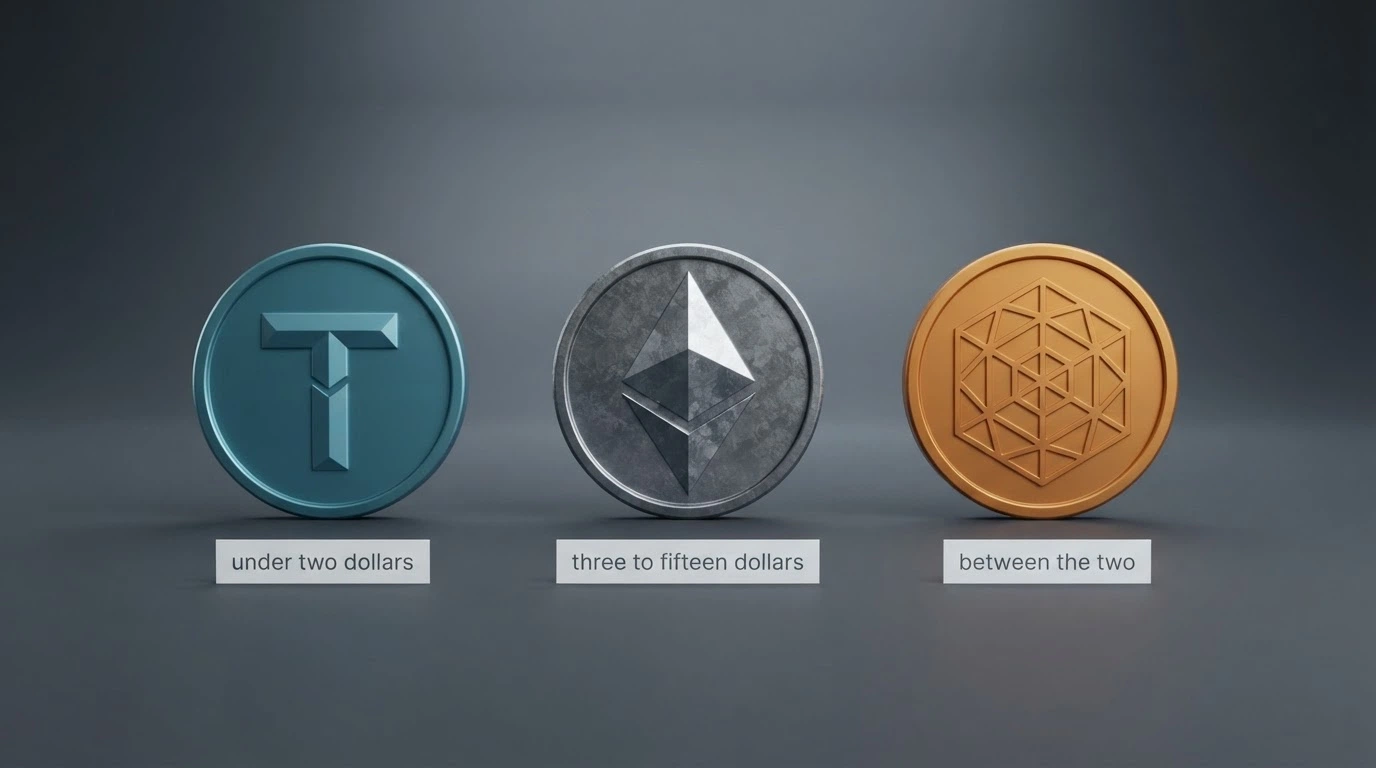
For a player funding a casino account with A$100 at a time, the difference is meaningful but not enormous: TRC20 leaves A$98 to A$100 of the deposit arriving; ERC20 leaves A$85 to A$97. For a player funding with A$1,000, ERC20 still costs only a few per cent; for a player funding with A$20, TRC20 is the only sensible choice.
The 10 Tether casinos Australians are playing at in 2026 — every one of them sits offshore
Every operator below accepts Tether from Australian players, and none of them is licensed to do so by any Australian regulator. That is not a feature unique to this list — it is the only possible state of affairs, because no Australian licence for online casino exists. The comparison table ranks the operators by traffic share within the featured set, from highest Australian market share to lowest.
| Casino | Licensed in Australia | Accepts Tether |
|---|---|---|
| Rocket Play | No | Yes |
| Skycrown | No | Yes |
| Royal Reels | No | Yes |
| Stake | No | Yes |
| WinSpirit | No | Yes |
| Rainbet | No | Yes |
| Scream Casino | No | Yes |
| FairGO | No | Yes |
| Bizzo Casino | No | Yes |
| Joe Fortune | No | Yes |
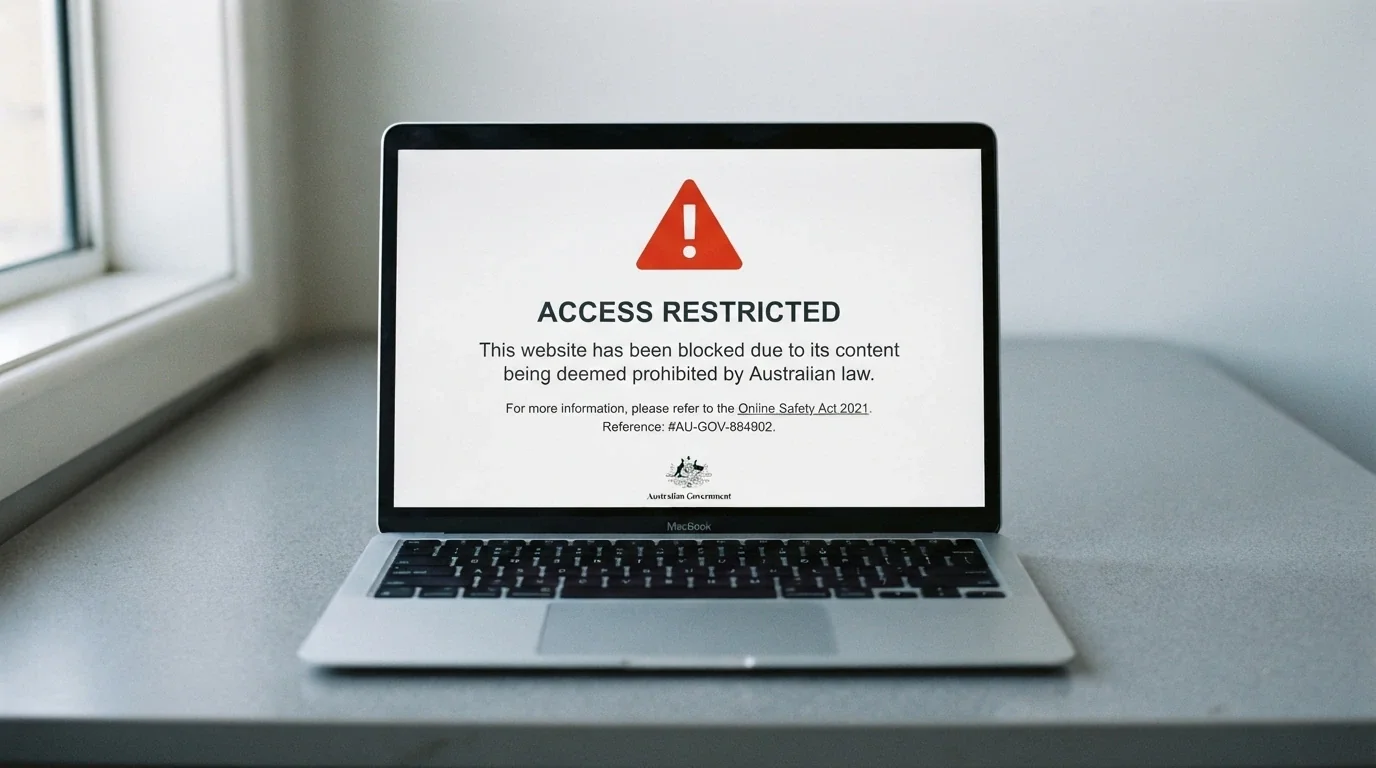
The “Licensed in Australia” column is uniform because the underlying fact is uniform. There is no licence available, and ACMA enforcement has steadily reduced what is reachable from Australian IPs: more than 1,564 illegal gambling and affiliate websites have been blocked by Australian ISPs since November 2019, and more than 225 illegal services have withdrawn from the Australian market since enforcement was strengthened in 2017. Operators on this page sit outside that enforcement perimeter by being hosted, licensed and operated outside Australia — which means the operator falls outside Australian consumer protection as well.
What the table cannot show is the difference between operators in bonus terms, game providers, withdrawal speed and reputation. Those follow in the next ten sections.
Stake
Stake holds about 1.28 per cent AU market share in the offshore set, with revenue of A$115.67 million. The brand carries a level of name recognition the other operators in this list do not — it has been heavily promoted through sponsorship deals and a high-volume social media presence, and it is the brand most readers will have heard of even if they have not used it.
What is verifiable from this round of research is limited: Stake accepts Tether, the licence is Curaçao-based, and the brand serves Australian players through offshore channels. The welcome bonus, free-spin offer, wagering multiple, validity period and game-provider mix were not confirmed this round and should be checked against Stake’s own current promotions page before any reader makes a decision. The same goes for the licence-issue date — Curaçao’s regulator publishes a register, but the licence record for Stake’s specific entity was not pulled during research.
What can be said without inventing figures is that Stake’s brand recognition creates the expectation of scale, and scale at offshore casinos usually means a deeper game lobby, a more active player community and faster turnover on new slot releases. None of that compensates for the absence of Australian consumer protection; the reader still plays at an offshore operator with no Australian complaints body, no BetStop coverage and no recourse if the operator refuses a withdrawal. The verdict: Stake is the operator readers most often arrive with an opinion about, but on the verifiable facts it does not differ from the rest of the offshore set in licensing or protection.
Rocket Play
Rocket Play is the highest-traffic offshore casino brand on the Australian operators table — about 9.4 per cent AU market share within the offshore set tracked in the research snapshot, with revenue in the high hundreds of millions of AUD. That is a larger Australian player base than any other operator in this ranking carries, which says something about reach but says nothing about terms.
Specific bonus terms, wagering multiples, validity periods, game providers and licence-issue date for Rocket Play could not be verified during this round of research. The licence is held offshore; the AU legal status is unlicensed because no such licence exists.
What the high AU traffic suggests is brand familiarity: more Australian players have tried Rocket Play than have tried, say, Rainbet, and a brand with a large existing player base has more community feedback on payout speed, KYC friction and dispute handling than a brand with a small one. That community feedback is the most practical form of due diligence a reader can do on any offshore operator — forum threads, complaint aggregators, and recent player experiences will reveal what the operator’s terms page will not. The verdict: Rocket Play is the operator the largest slice of Australian crypto-casino players has chosen, and that is a data point worth weighting — but it is the only data point this page can carry without inventing.
Skycrown
Skycrown holds about 8.55 per cent Australian market share in the offshore set, with revenue in the high hundreds of millions — the second-largest AU-facing brand in the ranking after Rocket Play. Like Rocket Play, its prominence on the AU operators table reflects how many Australians already play there, not the terms on which they play.
Bonus terms, free-spin offers, wagering multiples and game-provider details for Skycrown were not verifiable this round. The licence is offshore; AU legal status is unlicensed.
A player considering Skycrown against the other brands in the table is choosing on three things the page can flag: existing player base (second-largest in the set), brand reputation outside research’s confirmed data (community feedback), and the absence of any verified distinguishing feature. The same offshore caveats apply as to every other brand: no Australian consumer protection, no BetStop coverage, no AU complaints body if a withdrawal is refused, and ACMA’s blocking power means the domain could be unreachable from an Australian IP overnight. In short, Skycrown offers familiarity through scale, but like the other brands listed, it comes without the regulatory safeguards of the licensed Australian market.
Royal Reels
Royal Reels sits at about 2.51 per cent AU market share — a smaller slice than Rocket Play or Skycrown, but still a meaningful Australian player base. The brand targets Australian players explicitly, which is visible in its positioning rather than in any verified Australian licence, because no such licence exists.
Bonus terms, free-spin offers, wagering multiples and game providers for Royal Reels were not verifiable this round. The licence is offshore.
The honest framing is that Royal Reels is one of several mid-sized offshore brands competing for Australian crypto-casino players, and the difference between it and the brands above it on this list is one of scale rather than category. A reader who arrives at Royal Reels via an affiliate link or a search result is choosing a brand that has a real Australian following but on terms the page cannot verify in detail. The verdict: Royal Reels sits in the middle of the offshore set on AU reach, with the same caveats as every other brand on this page; the only meaningful due-diligence step is the same as for any operator here — recent player feedback, complaint history and verification that the casino’s stated licence is real.
WinSpirit
WinSpirit is a smaller brand in the AU operators snapshot, at about 1.55 per cent market share. The brand accepts Tether and serves Australian players from offshore. Details regarding welcome bonuses, wagering multiples, and game providers were not confirmed during this round of research.
The honest framing for a brand with both an AU player base and no verifiable terms is that the reader cannot tell from this page alone whether WinSpirit’s offer is competitive. The community feedback that exists for WinSpirit is thinner than for the larger brands above it on the table, which is itself information: a player weighing WinSpirit against, say, Joe Fortune is choosing a brand with less public track record on the verifiable side. The verdict: WinSpirit is an offshore Tether casino with a small Australian following and unverified terms — appropriate for a reader who has already decided the offshore route is for them and who will check the operator’s own current terms before depositing.
Rainbet
Rainbet sits at about 1.28 per cent AU market share — one of the smaller brands in the ranking. It accepts Tether, is licensed offshore, and serves Australian players from outside Australia. Data on this operator’s current bonus terms, validity periods, and game library remains unverified.
For a reader who has already chosen the offshore route, Rainbet is one of several smaller brands competing on game selection and bonus terms it has not made verifiable here. The lower AU reach means thinner community feedback on payout speed and KYC friction, which means more weight falls on the reader’s own verification — checking the operator’s licence register, scanning recent complaint threads and confirming the operator is still reachable from an Australian IP before depositing. The choice here comes down to independent due diligence: without an established local track record, the burden of verification rests entirely on the player.
Scream Casino
Scream Casino holds about 0.99 per cent AU market share in the offshore set — under one per cent — and accepts Tether from Australian players. Bonus terms, free-spin offer, wagering multiple, validity period, game providers and licence-issue date could not be verified this round.
For a reader comparing brands in this ranking, Scream Casino is at the lower end of AU reach and offers no verified differentiator. The same offshore caveats apply: no AU licence (because none exists), no AU consumer protection, no BetStop coverage, ACMA blocking risk. The verdict: a small-share brand on identical offshore terms as the rest of this list, and one where the reader has less community feedback to lean on than for the larger brands — which means the reader’s own due-diligence work matters more.
FairGO
FairGO is the most explicitly Australia-positioned brand in the ranking, with “Fair Go” in the name signalling an Australian-friendly pitch. Its AU market share is around 0.8 per cent — smaller than the offshore-set leaders but consistent with a brand that has carved out a niche rather than competing for the broadest audience. The brand accepts Tether and serves Australian players from offshore.
Bonus terms, free-spin offer, wagering multiple, validity period, game providers and licence-issue date for FairGO could not be verified this round. The Australian-facing positioning does not change the licensing reality: the brand is offshore and unlicensed in Australia, because no Australian licence for online casino exists.
FairGO is the brand a reader will most often see recommended in lists aimed at “Australian players” specifically — the AU positioning is consistent with that — but the recommendation does not translate into Australian consumer protection. The verdict: for a reader who values an Australian-targeted pitch and brand familiarity, FairGO is the brand on this list most likely to feel locally positioned, while sitting on identical offshore licensing terms to every other name here.
Bizzo Casino
Bizzo Casino holds about 0.57 per cent AU market share in the offshore set, the smallest slice in the ranking. It accepts Tether from Australian players and is licensed offshore. Welcome bonus, free-spin offer, wagering multiple, validity period, game providers and licence-issue date could not be verified this round.
For a reader weighing Bizzo against the larger brands above it, the relevant comparison is that Bizzo has a smaller AU player base and thinner public track record than most of its peers on this list. The same offshore caveats apply. The verdict: a brand at the bottom of this ranking on AU reach, with terms that could not be verified this round — appropriate for a reader who will rely on their own verification rather than this page for the specifics.
Joe Fortune
Joe Fortune is the operator on this list whose terms the research could actually pin down. It is also the only one that breaks the “unverified terms” pattern of the other nine, so it gets a more detailed write-up.
The headline offer is a welcome package worth up to A$5,000 plus 450 free spins across the first three deposits. The crypto first-deposit match is 150 per cent up to A$2,000 plus 30 free spins on A Night With Cleo On Pandora. The minimum deposit to claim the welcome package is A$20, although USDT deposits can clear at the lower A$5 minimum that Joe Fortune sets for crypto rails specifically. The minimum Tether deposit is A$5 versus A$20 for credit cards — a spread that reflects the operator’s view of crypto as cheaper to process than cards.
The wagering requirement is 50x on the deposit plus the bonus — not on the bonus alone. That distinction matters: a player who deposits A$100 and takes the full 150 per cent match (A$150 bonus) has to wager A$250 × 50 = A$12,500 before the bonus and any winnings convert to withdrawable cash. Free spins carry their own restriction: the welcome-package free spins have a maximum cashout of A$500. The free-spin value itself sits at A$0.20 per spin in the weekly Free Spins Bonanza (up to 100 free spins on Crystals on Fire for a A$30-plus crypto deposit, with a 30x playthrough on spin winnings). The deposit bonuses also carry a max-bet rule of 20 per cent of the deposited amount per wager — a player depositing A$100 cannot stake more than A$20 on any single spin while the bonus is active.
Joe Fortune is AU-focused in its branding and accepts deposits from A$10 to A$10,000 across its supported methods. Game-provider details were not confirmed this round; specific licence-issue date was not confirmed.
The verdict: Joe Fortune is the only brand on this list with terms the page can actually walk a reader through, and those terms are competitive on the dollar value of the welcome package (A$5,000 plus 450 free spins is large for the offshore set) but heavy on the wagering side (50x on deposit plus bonus is steep, and the A$500 free-spin cashout cap is restrictive). A player who values the largest bonus amount on the list and is willing to grind through 50x wagering will find more to work with here than at any of the nine other brands — but the same offshore caveats apply as to the rest: no Australian licence, no AU consumer protection, no BetStop coverage.
A Tether casino welcome bonus looks big until the wagering terms kick in
Bonuses at Tether casinos are real money — and the conditions attached to them are real too. The headline figure on a welcome package is the bonus amount the operator will credit to the player’s account on a qualifying deposit. The number that decides whether the bonus is worth claiming is the wagering requirement: how many times the player must wager the deposit-plus-bonus before the bonus and any winnings become withdrawable.

For a player reading the welcome page, the practical question is whether the bonus will ever convert to cash the player can take out. The answer depends on the wagering multiple, the game contribution rate (slots usually count 100 per cent, table games often less), the validity period, and the maximum cashout cap on any element of the offer. None of those numbers are visible in the headline figure.
Welcome deposit bonuses — what a Tether depositor actually gets
The only verifiable benchmark in this list is Joe Fortune’s: 150 per cent match up to A$2,000 plus 30 free spins on the first crypto deposit, part of a three-deposit package worth up to A$5,000 plus 450 free spins. The 150 per cent is generous by industry standards — most deposit matches sit in the 100 per cent to 200 per cent range — but the 50x wagering on deposit plus bonus is the highest common multiple in the offshore set.
For the nine other operators in this ranking, welcome bonus terms could not be verified this round. The honest framing is that they exist (most offshore casinos competing for Australian players offer some form of deposit match plus free-spin package) but the specifics — match percentage, maximum bonus, wagering multiple, validity period, max cashout — are not on this page and should be checked against each operator’s current promotions page before deposit.
What can be said in general terms: a welcome bonus that looks large in dollars is not large in real value unless the wagering multiple is below 40x and the maximum cashout is high enough to matter. A 100 per cent match at 30x wagering converts more often than a 200 per cent match at 50x with a low max cashout — because the player clears the smaller bonus faster, with less exposure to variance, and walks away with the bonus winnings before the max-cashout cap bites.
Free spins on a Tether deposit — what the fine print actually says
Free spins attached to Tether deposits come with two caps that erase most of the apparent value. The first is the maximum cashout — Joe Fortune’s welcome free spins cap winnings at A$500, regardless of how the spins land. The second is the per-spin value: free spins are typically credited at the slot’s minimum bet, which for most slots is A$0.20. A player who wins the slot’s maximum payout on a free spin will see the cashout capped at the operator’s stated limit.
The weekly Free Spins Bonanza at Joe Fortune offers up to 100 free spins on Crystals on Fire for a A$30-plus crypto deposit, with each spin valued at A$0.20 (so the headline 100 free spins are worth A$20 in spin-credit, not A$200) and a 30x playthrough requirement on whatever the spins pay out. A player who triggers the maximum 100 free spins on a quiet week and wins A$40 has to wager A$1,200 before the A$40 becomes withdrawable — at A$0.20 per spin, that is 6,000 more spins of wagering.
For the nine other operators, free-spin terms could not be verified this round. The same pattern usually applies — spins credited at minimum bet, winnings subject to playthrough, a cap on what the spins can pay out — but the specifics are not on this page.
What the wagering requirement actually costs — running the numbers on Joe Fortune
For a clean illustration, take the Joe Fortune crypto first-deposit match — the only verifiable offer on this list. Assume the player claims the full A$2,000 bonus (the maximum 150 per cent match) and wagers only the bonus amount at the minimum slot stake of A$0.20 per spin. The standard bonus-cost calculation produces a required turnover of A$100,000 — 500,000 spins at A$0.20 each, and roughly 694 hours of continuous play at five seconds per spin. The actual T&C specifies 50x on deposit plus bonus rather than on the bonus alone, so a player depositing enough to claim the full A$2,000 bonus faces a larger required turnover than this estimate — but the order of magnitude does not change.
Against an average slot house edge of 4.5 per cent (the midpoint of the typical 94 to 97 per cent RTP range), that volume of wagering carries an expected loss of approximately A$4,500. The first figure answers how long; the second answers what it costs. Both are statistical averages across many spins, not predictions of any individual session — a lucky streak can clear the bonus with less loss than the house edge suggests, and an unlucky streak can blow through the bonus balance and the deposit before the wagering requirement is met.
The headline A$2,000 bonus, in other words, prices out at several thousand dollars in expected losses during the playthrough. That is the real cost behind the marketing word “free”.
The pokies pay the same RTP whether you deposit with Tether or dollars — the games do not change
The payment method does not change the games. A player depositing USDT at an offshore casino sees the same slot catalogue a dollar depositor would see at the same operator, with the same return-to-player percentages and the same volatility. What differs between operators is the catalogue’s depth, the providers whose games are included, and the live-dealer setup.

Pokies — the games Australian players actually search for
Pokies — the Australian term for slot machines — dominate the catalogue at every offshore casino serving Australian players. The typical slot at these casinos has a return-to-player percentage between 94 and 97 per cent, with a house edge between 2 and 6 per cent. The typical minimum bet is A$0.20 per spin and the typical maximum is A$100 per spin, with the wide spread reflecting the difference between low-stakes recreational pokies and high-volatility titles aimed at bonus hunters.
Three titles the research has verified RTPs for:
- Starburst (NetEnt) — 96.09 per cent RTP, low volatility, 500x maximum win
- Book of Dead (Play’n GO) — 96.21 per cent RTP, high volatility, 5,000x maximum win
- Lucky Tiger Gold (Pragmatic Play) — 96.5 per cent RTP, very-high volatility, 25,000x maximum win
The volatility differences matter more than the RTP differences for a player’s session experience. Starburst pays out often in small amounts; Book of Dead pays out rarely in larger amounts; Lucky Tiger Gold pays out very rarely in very large amounts. Two slots with the same RTP can feel like entirely different games depending on the volatility profile — the math returns the same on average, but the variance is what determines whether a session of fifty spins ends in profit, break-even or a depleted balance.
Live dealer tables — blackjack, roulette and baccarat with a human dealer
Live dealer games run around the clock at offshore casinos serving Australian players, streamed from studios in Europe and Asia. The core live-dealer offering at any Tether casino is the same: blackjack, roulette and baccarat, with a real dealer handling real cards or a real wheel, broadcast in real time to the player’s browser or mobile.

The payment method does not affect the live-dealer experience. The dealer does not know or care whether the player deposited in USDT, AUD or Bitcoin — the table limits, the rules and the payouts are set by the studio and the operator, not by the currency in the player’s account. What differs between operators is the studio providers and the specific table limits on offer: some operators stream from Evolution, others from Pragmatic Play Live or smaller studios, and the table minimums can range from A$1 to A$100 depending on the room.
Specific live-dealer provider names for the operators on this list were not confirmed this round of research. The category itself — live dealer at Tether casinos — is well established at offshore operators and should be present at every brand in this ranking.
Slots with published RTPs — the three titles the research actually verified
| Slot title | Provider | RTP | Volatility | Max win |
|---|---|---|---|---|
| Starburst | NetEnt | 96.09% | Low | 500x |
| Book of Dead | Play’n GO | 96.21% | High | 5,000x |
| Lucky Tiger Gold | Pragmatic Play | 96.5% | Very high | 25,000x |
This table is intentionally narrow. Most slot titles at any offshore casino do not have their RTPs published prominently — the operator’s game-info panel usually states the figure, but it is not always visible without opening the game’s paytable or rules screen. The three titles above are the ones whose RTPs the research could confirm from independent sources; other titles at these casinos will have different RTPs and different volatility profiles, and a player who wants to know the exact figures for a specific game should check the in-game help screen at the operator before staking real money.
No KYC means no paper trail — and no safety net when something goes wrong
“No KYC” is a marketing promise at some offshore casinos — no identity verification at deposit, no documents requested, no proof of address. For a player who values privacy, it sounds ideal. The honest reading is more complicated.

A casino that does not verify identity at deposit will almost always verify at withdrawal. The first withdrawal is the slow one: most offshore casinos require photo ID, proof of address and sometimes a selfie with the ID before processing the first cash-out. The verification typically takes 24 to 72 hours. After verification, withdrawals clear in the under-two-hour window described in the section on cashing out.
A casino that genuinely never verifies — a true no-KYC casino — accepts a different trade-off. The player keeps their privacy, but the operator has no contractual anchor for the player’s identity. If the operator refuses a withdrawal, the player has no recourse through any consumer-protection body — not ACMA (which enforces the prohibition but does not recover money), not a state regulator (which has no jurisdiction offshore), not an ombudsman (which does not exist for offshore gambling). The only leverage is the operator’s own licence jurisdiction, and Curaçao’s enforcement record on player disputes is thin.
This is the privacy-versus-protection trade at the heart of the offshore route. An Australian who has self-excluded through BetStop has used the National Self-Exclusion Register — launched in August 2023 and now holding 67,480 registrations — but BetStop does not bind offshore casinos. A self-excluded Australian can keep depositing USDT at any operator on this list, because the operator is not subject to Australian rules. The same gap is what makes the offshore route attractive to players who want to bypass Australian restrictions, and the same gap is what makes it dangerous for players who need the protection.
The technical-integrity check that some no-KYC casinos offer is “provably fair” — a cryptographic mechanism that lets the player verify each spin’s outcome was not altered by the operator. That is real, and it is the closest the player gets to a guarantee of game fairness. It is not a substitute for regulation: it proves the spin was random, not that the operator will pay out.
Tether casinos work on your phone — a dedicated app, though, is the exception
Most offshore casinos serving Australian players are mobile-optimised websites, accessed through the phone’s browser without a download. The mobile site loads the casino’s lobby, runs the games (most slots and live-dealer tables are built in HTML5 for mobile) and handles the cashier page where USDT deposits and withdrawals happen.
A native iOS or Android app is the exception rather than the rule at offshore operators. App-store policies around gambling are restrictive, and most offshore casinos do not invest in a downloadable app — the mobile browser version is the entire product. There is no performance penalty for depositing USDT on mobile compared to depositing fiat: the cashier page generates a wallet address, the player’s wallet app scans or pastes it, the on-chain transfer is the same regardless of the device initiating it.
Specific app availability for the operators on this list was not confirmed this round. A player who prefers a downloadable app should check the operator’s site before signing up, or simply accept that the browser version is the standard mobile experience.
New Tether casinos launch regularly — here is what to check before you join one
The crypto-gambling space launches new brands at a steady cadence, and several of them target Australian players from launch. New does not mean bad, but new does mean unproven — and the same minimum checks that apply to every offshore brand apply with more force to a brand the reader has never heard of.
The first check is the licence. Every legitimate offshore casino carries a licence from a recognised regulator (Curaçao, Anjouan, the Isle of Man, Malta); the licence number is usually displayed in the footer of the casino’s homepage. The reader can paste that number into the regulator’s register and confirm the licence is real and currently valid.
The second check is the withdrawal history. Community feedback — forum threads, complaint aggregators, recent player reviews — is the most practical way to learn whether an operator pays out within the timeframes it promises and whether its KYC process is reasonable.
The third check is the operator’s own track record outside marketing. How long has the operator been in business? Does it run other brands? Has its licence ever been suspended? A new operator on a new licence with no community history is a higher-risk proposition than an established brand on a verifiable licence with thousands of community reviews.
The reader also lives inside the Australian enforcement perimeter. ACMA has had more than 1,564 illegal gambling and affiliate websites blocked by Australian ISPs since November 2019; more than 225 services have withdrawn from the Australian market since enforcement was strengthened in 2017. A new offshore brand that becomes prominent enough to attract ACMA attention risks being blocked, and a player whose balance is held on the day of a block has no recourse to recover it.
No Australian casino licence exists — that single fact changes everything about your Tether play
The legal architecture underneath every operator on this page is the same, and it is worth stating in full because it conditions every other decision the reader makes.
The Interactive Gambling Act and who it actually targets
The Interactive Gambling Act 2001 (IGA), strengthened by the Interactive Gambling Amendment Act 2017, prohibits the provision of online casino games, online pokies and in-play sports betting to Australians. No licence exists for any of these products — not federally, not in any state or territory. The prohibition targets the provider, not the player: an Australian who plays at an offshore casino is not prosecuted for doing so. Section 8AA of the IGA prohibits operators from providing services to Australian residents, not residents from playing.
What the player does forfeit is Australian consumer protection. ACMA enforces the prohibition — investigating complaints, issuing formal warnings, initiating civil penalty proceedings and directing ISPs to block illegal sites — but ACMA’s enforcement is against the operator, not the player. ACMA cannot recover money for a player who has been refused a withdrawal by an offshore casino, because the casino is not subject to Australian law and the player has no contractual relationship with ACMA. The player’s only recourse is the operator’s own licence jurisdiction, and Curaçao’s enforcement record on player disputes is thin.
Wagering and gambling winnings are not assessable income under section 6-5 of the ITAA 1997, and gambling losses are not deductible under section 8-1 — unless the person operates a business of betting or gambling. For the vast majority of readers, the tax treatment is: winnings are tax-free, losses are not deductible.
The 2026 reforms — what changes for Tether casino players on 1 January 2027
The Interactive Gambling Amendment (Gambling Reform) Bill 2026 passed Parliament on 19 August 2026. Its measures commence on 1 January 2027. None of them legalise online casino or open a path to an Australian licence, but several of them change the environment around it.
From 1 January 2027, banks and payment providers gain express authority to block transactions to illegal gambling operators. That includes crypto transactions routed through Australian exchanges: a bank that today silently restricts outbound transfers to crypto exchanges will, from 2027, have explicit statutory cover to block transactions it identifies as flowing to illegal gambling. The same provisions cover credit and debit transactions directly to illegal operators. For an Australian using Tether, this means the bank-friction layer described earlier — already present at CommBank and Westpac, partial at ANZ and NAB — will harden into an explicit blocking power across the banking system.
The reform also introduces AdStop, a national wagering advertising opt-out register administered by ACMA, and a broadcast advertising cap of three wagering ads per hour between 5:00 am and 8:30 pm, with a live-sport blackout running from 15 minutes before a live sporting event until five minutes after it ends. Direct marketing of inducements is prohibited for 14 days after a customer signs up, for three months after a person deregisters from BetStop, and indefinitely for customers identified as at risk of gambling-related harm. The ACMA’s costs of administering and enforcing the new rules are recovered via a levy on licensed interactive wagering providers.
For the reader of this page, the practical 2027 changes are bank-blocking power and the inducement cooling-off. Neither addresses the offshore Tether casino route directly — the bank-blocking power extends to transactions to illegal operators, which is the route an Australian using USDT is taking. The inducement cooling-off applies to licensed operators, not to offshore ones.
The help Australia built will not reach you at an offshore casino
Australia has built a meaningful responsible-gambling infrastructure. It does not extend to the operators on this page.
The National Gambling Helpline (1800 858 858) is free, confidential and staffed 24/7, with online chat and counselling through Gambling Help Online. Lifeline (13 11 14) provides 24/7 crisis support. Gambler’s Help Youthline (1800 262 376) is the under-25s service. Gamblers Anonymous runs support meetings through gaaustralia.org.au. These services are open to any Australian regardless of where they gamble.
BetStop, the National Self-Exclusion Register, launched in August 2023 and now holds 67,480 registrations, of which 41,290 exclusions are still active. One registration excludes a person from every Australian-licensed online and phone wagering service for a minimum of three months and up to a lifetime. 78 per cent of registrants are under 40; 38 per cent chose lifetime exclusion. BetStop is the single most powerful self-exclusion tool in Australian gambling — and it does not bind offshore casinos. An Australian who has self-excluded through BetStop can continue to deposit USDT at any operator on this list, because the operator is not subject to Australian rules.
The prevalence of problem gambling in Australia gives the gap its weight. About 2.1 per cent of Australian adults — roughly 430,000 people — experience problem gambling; the Australian Institute of Health and Welfare put high-risk gambling at 1.8 per cent in 2022. The help resources are real and the prevalence is real, and the gap between them — between the help that exists and the offshore operators it does not reach — is the single largest harm the offshore route carries for Australian players.
How we picked the Tether casinos on this page
The ten operators on this list were sourced from independent search results and the operators snapshot maintained for the Australian market. Each operator was checked against the ACMA licence register and confirmed unlicensed in Australia, which is a statement about the regulatory environment rather than about the operators: no Australian licence for online casino exists, so every brand in the ranking is, by definition, unlicensed here.
The ranking order follows AU traffic share within the featured set, from largest to smallest. That is one criterion among several the reader might weight differently: game-provider depth, withdrawal speed, bonus generosity, community reputation and the operator’s response to complaints are all reasonable secondary criteria the page does not pretend to resolve. Where verifiable terms exist (Joe Fortune), the page carries them in detail. Where terms could not be verified (the other nine), the page says so plainly rather than supply generic descriptions from general knowledge.
The page does not carry market-share figures as reader-facing numbers, because they are a snapshot of traffic rather than a measure of value to an individual player. A brand with 9 per cent AU share is not nine times better than a brand with 1 per cent AU share — it is simply a brand nine times more Australian players have tried. The reader who finds value at a small-share brand has not made a worse choice than the reader who finds value at a large-share one.
Is a Tether casino the right call for you in 2026?
The honest answer is that the page cannot give it. What the page can do is summarise the trade.
The deposit side favours Tether: casino-side charges are typically zero, deposits clear in one to five minutes, TRC20 network fees sit under A$2, and the bank never sits between the player and the casino. The withdrawal side favours Tether for the same reasons: under-two-hour processing at verified operators, no operator-side fees at the operators tested, and a network fee on the way out measured in single-digit dollars.
The bonus side cuts against the player, once the wagering terms are read. Joe Fortune’s 50x on deposit plus bonus is the steepest condition in the offshore set, and the calculation in the section on bonus terms shows what 50x actually costs in time and expected loss. The other nine operators’ bonus terms were not verifiable this round, but the pattern at offshore casinos is the same: large headline bonus, steep playthrough, restrictive caps.
The legal side is the binding constraint. No Australian online casino licence exists; every operator on this page is offshore and outside Australian consumer protection; ACMA has blocked 1,564-plus illegal gambling sites and gains bank-blocking power from 1 January 2027; BetStop does not cover offshore casinos. The help Australia built does not reach the player at an offshore Tether casino.
For a player who has weighed the speed and fee advantages of Tether against the wagering cost and the loss of Australian consumer protection, and has decided the trade is worth it, the operators in this ranking are the AU-facing options in 2026. For a player who decides it is not — and the offshore route is not the right call for everyone — the Australian-licensed wagering market offers pre-event sports betting and racing through NT-licensed and state-licensed operators, with full BetStop coverage and ACMA-jurisdiction consumer protection, but no online casino games.
Frequently asked questions
Is it legal for Australians to play at Tether casinos?
Australian players are not prosecuted for using offshore crypto casinos. Section 8AA of the Interactive Gambling Act 2001 prohibits operators from providing online casino services to Australians, not residents from playing. The trade-off: no Australian consumer protection — ACMA enforces against operators but cannot recover money for refused withdrawals, and BetStop does not cover offshore brands.
What happens if an offshore Tether casino refuses to pay my withdrawal?
ACMA cannot recover money from an offshore operator; no Australian complaints body has jurisdiction, and Curaçao’s enforcement record on player disputes is thin. ACMA also blocks casino domains — more than 1,564 illegal sites blocked since November 2019 — leaving players with held balances no Australian recourse.
Will my Australian bank block a crypto exchange transfer used for gambling?
It depends on the bank. Commonwealth Bank and Westpac silently restrict outbound transfers to crypto exchanges; ANZ and NAB flag them without fully blocking; ING and Macquarie are most permissive. AUSTRAC’s Travel Rule triggers enhanced checks at A$10,000 — but the bank cannot see what the crypto is ultimately used for.
Do Tether casinos require ID verification before I can withdraw?
Most offshore casinos allow a first deposit with minimal verification but require photo ID, proof of address, sometimes a selfie, before processing the first withdrawal — which often takes 24 to 72 hours. A truly no-KYC casino trades the verification gate for zero recourse if the operator refuses a withdrawal.
How much do Tether casino deposits and withdrawals actually cost?
Casino-side charges were zero at every operator tested in an independent round. The network fee is the real cost — TRC20 under A$2 per transaction, ERC20 between A$3 and A$15 (up to USD$5–USD$30 when Ethereum is congested), BEP20 between the two. AUSTRAC’s Travel Rule reporting threshold of A$10,000 triggers enhanced record-keeping above that figure.