
Where Australian players actually play online — and what that costs them
 Available in AU
Data current as of 18 October 2026 · verified against the Australian Communications and Media Authority prohibited-services register and Curaçao Gaming Authority licensee listings
The Australian online casino market does not exist. The Interactive Gambling Act 2001 makes it an offence to provide online casino games, online pokies or in-play betting to a person in Australia, and there is no licence for any of those products anywhere in the country — not federally, not in any state or territory. What licensed Australian operators can offer is pre-event sports and racing wagering, lotteries and keno. Everything else — the pokies, the blackjack, the live roulette wheel, the eight-thousand-title slot library — sits with offshore brands that accept Australian players without an Australian licence.

That is the product gap this page covers. “International casino” in an Australian search bar is shorthand for “offshore casino that takes our money”. The term signals a Curaçao licence, a deposit accepted in Australian dollars or in crypto, a welcome bonus measured in the thousands, and a consumer-protection framework that ends at the border. Every brand on this page holds that profile. Every brand on this page also operates against the grain of Australian law, even though the law has never been aimed at the player.
This guide ranks ten of those operators on the terms an Australian player can actually use — bonus value weighted against the wagering behind it, game library depth, payment method coverage, and the only published withdrawal cap in the featured set — and lays out, in full, the legal reality that surrounds them. The point is not to steer a reader toward any one brand. The point is to make the trade-off visible before any deposit is made.
Table of Contents
- Why Australian players turn to international online casinos in 2026
- The best international casinos for Australian players: 2026 ranked picks
- What you will actually play: games, pokies and live tables at international casinos
- Why your 2026 bonus is smaller than it looks
- The legal reality: what the Interactive Gambling Act actually means for your play
- Staying in control: responsible gambling tools that work from Australia
- How we selected and ranked these international casinos
- Offshore casinos and Australian players: what the numbers say you should weigh up
- Frequently Asked Questions
Why Australian players turn to international online casinos in 2026
The question worth asking first is why the offshore market exists at all. The answer is not Australian demand for the product — it is the absence of a local version. Australians who want to play pokies online, sit at a live blackjack table or spin a roulette wheel have no Australian-licensed option to do so. The core concerns for Australian players looking for these games break down into four areas: comparison of the available brands, the legality of using them, the size and shape of the welcome offers, and the library breadth. Legal questions arise after comparing the market, not before — people look first, consider the legality second, and arrive at the offshore market because the local market is closed.
Real-money play at offshore casinos: what is actually on the line
The trade an Australian player makes by going offshore is real money for real games against a backdrop where every consumer-protection rail the local system offers stops at the border. The Australian Communications and Media Authority cannot recover a single dollar for an Australian player at an offshore casino — its job is to block the provider, not compensate the customer. There is no Australian ombudsman to escalate a dispute to, no Australian complaints body to file with, and no chargeback guarantee until 1 January 2027, when banks and payment providers gain express authority to block transactions to illegal gambling operators. Until that date, the payment dispute falls to the card network’s own rules, and offshore merchants are not always cooperative respondents.
The tax side is straightforward and unusually favourable. Under section 6-5 of the Income Tax Assessment Act 1997, gambling winnings are not assessable income for an Australian player. Under section 8-1, gambling losses are not deductible. The single exception is the person who is carrying on a business of betting or gambling — a category a recreational player will not meet. In short, what a player wins at an offshore casino is not taxed, and what a player loses cannot be offset against other income. The Australian Taxation Office treats gambling the way most Australians instinctively assume it should be treated: as a private matter, not as a profession.
The position is sometimes summarised, accurately enough, as a “consumer-protection void”. The distinction matters because it changes everything about what the player is actually facing. The offshore operator is not committing a crime against the Australian player. It is also not bound by anything the Australian system has built to protect one.
Mobile-first and crypto-friendly: how offshore casinos reach Australian players
Offshore casinos reach Australian players through two channels the licensed Australian market does not use: a browser-based mobile product and crypto rails. There is no dedicated casino app to download — the operator pages load in a mobile browser the same way they load on a laptop, which sidesteps the Apple and Google app-store rules that block real-money casino apps in Australia. The user experience is a slightly compressed version of the desktop site, with touch-friendly chip stacks and portrait-mode live-dealer tables. The lack of an app is the norm, not a deficiency; it is the same delivery model every operator in the featured set uses.
The second channel is the one the licensed market has explicitly closed. Since 11 June 2024, credit cards, credit-related products and digital currencies have been banned as payment for online wagering in Australia, with penalties of up to A$247,500 for non-compliance. An operator that accepts credit-card deposits or bitcoin withdrawals from an Australian customer is, by definition, operating outside the Australian rules. That fact is sometimes pitched as a feature in offshore marketing (“crypto-friendly!”, “we accept Visa!”). It is more usefully read as a marker of the operator’s offshore status. The legal deposit routes inside the licensed system are debit cards, bank transfer, PayID/Osko and BPAY. The offshore casinos in this guide accept some combination of those, plus crypto and, in some cases, credit cards — which is one reason they are offshore.
Payment speed at offshore casinos varies by method and operator. Crypto withdrawals at BitStarz average around ten minutes from request to receipt, which is faster than anything the licensed Australian wagering system offers for settled funds. Debit-card and bank-transfer withdrawals on the same brand typically run longer, often into the next business day. AU-facing brands tend to lean on PayID for deposits, though published PayID success rates are not consistently disclosed.
How we assess an international casino: the review framework
Four questions sit behind the ranking that follows. The first is licence — where the operator is actually licensed, and whether that licence can be verified against the issuing register. Curaçao Gaming Authority records are public and searchable; a licence claimed on the operator’s footer should appear there. The second is bonus terms — not the headline number, but the wagering multiple behind it, the validity window, the maximum bet while a bonus is active, and any maximum-cashout cap. The third is payment method coverage and the published withdrawal timeline, including any per-day, per-week or per-month limits. The fourth is real-player complaint patterns: payout refusals, account closures, voided wins, slow KYC. Most review pages skip the parts that make a comparison uncomfortable — the legal prohibition in full, the BetStop limitation, the ACMA’s blocking power, and what an Australian player actually gives up by going offshore. Those are the parts this guide keeps on the page.
The best international casinos for Australian players: 2026 ranked picks
Every brand below holds a Curaçao licence. None holds an Australian licence, because none can. The table is the shortlist; the sections underneath it walk each operator through with the offer, the terms and the trade-offs the table cannot show.
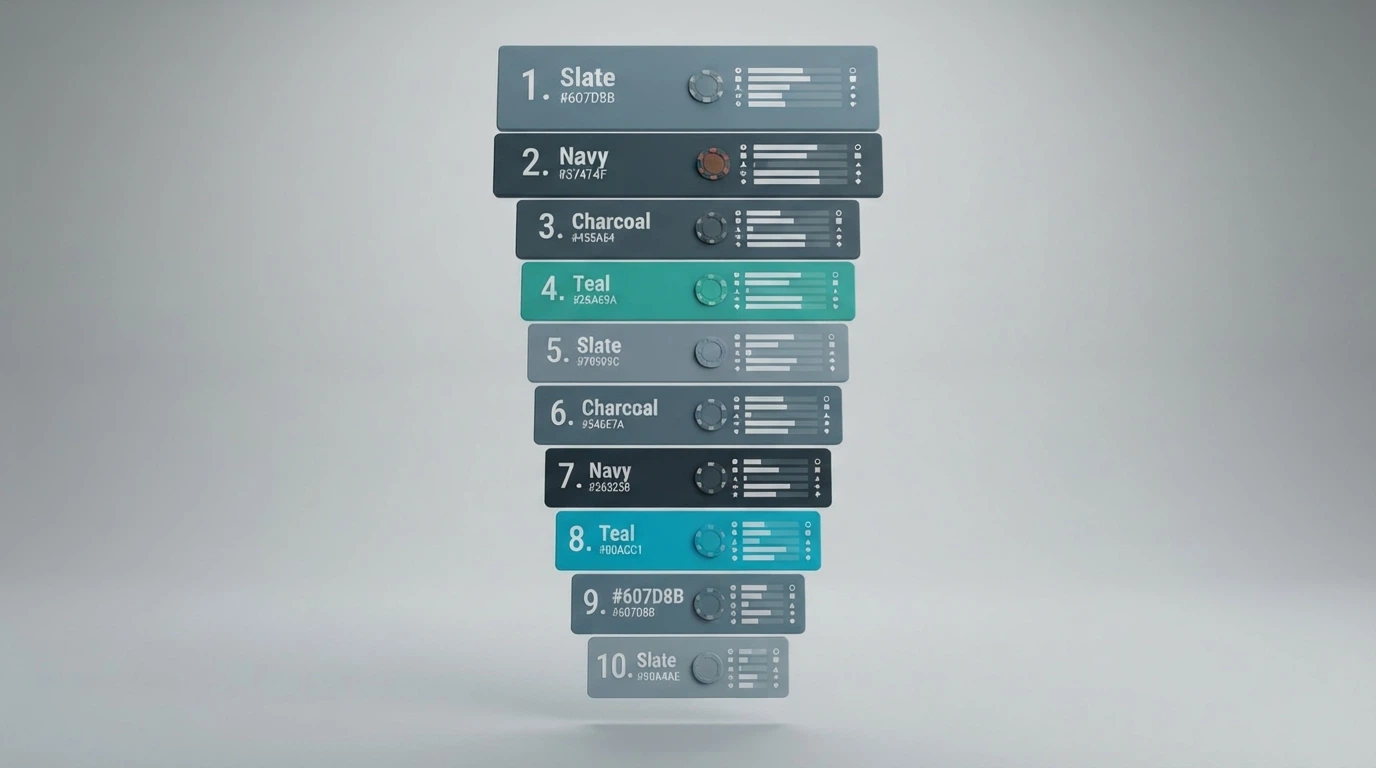
| Operator | Licence | Welcome Bonus (A$) | Wagering | Free Spins | Game Library |
|---|---|---|---|---|---|
| Rocket Play | Curaçao (offshore) | Up to A$2,000 + 100 FS (2 deposits) | 40x | 100 | — |
| SkyCrown | Curaçao (Hollycorn N.V.) | Up to A$8,000 + 350 FS (5 deposits) | 40x | 350 | — |
| Royal Reels | Curaçao | 100% up to AUD 500 + AUD 10 no-deposit | 30–40x | — | 2,000+ |
| Bizzo Casino | Curaçao | Up to A$7,250 + 175 FS (4 deposits) | 40x | 175 | 8,000+ |
| Fair Go | Curaçao (Deckmedia N.V.) | 100% up to A$200 × 5 (A$1,000 total) | 30x (deposit + bonus) | — | — |
| WinSpirit | Curaçao | 200% + 25 FS | 40x | 25 | — |
| Stake | Curaçao | No welcome bonus (wager-free races) | 0x | — | 3,000+ |
| BitStarz | Curaçao | 20 FS no-deposit + deposit match | — | 20 | 6,000+ |
| Wild Tokyo | Curaçao | 250% up to AU$5,300 + 750 FS | — | 750 | 8,000+ pokies |
| Wolf Winner | Curaçao | Up to AUD 5,500 + 125 FS | — | 125 | 1,800+ |
A dash in this table marks a figure research did not independently verify for the Australian market this round — it is not a claim that the figure is zero. Wild Tokyo and Wolf Winner carry headline welcome numbers that are large but whose wagering terms were not confirmed in the underlying research; readers should check the operator’s own published terms before claiming either offer.
Best overall: the international casinos that earn the top spots
The three operators at the top of the shortlist — Rocket Play, SkyCrown and Royal Reels — earn the position by combining a transparent headline offer, a verified Curaçao licence and a game library broad enough to cover the games an Australian player is most likely to want. Rocket Play’s two-deposit package is the most accessible in the top tier: up to A$2,000 in bonus funds and 100 free spins, with a 40x wagering multiple and a minimum deposit of A$20, which keeps the entry point low for a player testing the offshore market for the first time. SkyCrown’s five-deposit, A$8,000-and-350-free-spins package is the largest headline number in the featured set, and the only operator among the ten that publishes explicit per-period withdrawal limits — a transparency point most offshore brands quietly avoid. Royal Reels rounds out the top tier by being one of only two featured operators to offer a no-deposit bonus, an AUD 10 free credit attached to a 100%-up-to-AUD 500 deposit match, with wagering between 30x and 40x.
The pattern across the top tier is the pattern across the whole set: Curaçao licensing, multi-deposit welcome structures, wagering in the 30x–40x band, and an absence of every protection an Australian player would otherwise expect. There is no Australian licence. There is no BetStop coverage. There is no Australian complaints body. These are not operator-specific risks; they are structural, and they sit on top of every brand in the ranking the same way.
How the ranking is built: what separates the picks
The ranking weights four factors. The first is bonus value as a function of the wagering behind it — a A$1,000 bonus at 30x is more useful than a A$8,000 bonus at 40x with a 14-day fuse, because the second one has to be cleared inside a fortnight. The second is game-provider diversity: a single-provider library is a thin floor (Fair Go runs on RTG alone, which is a curated catalogue but a small one); sixteen-plus developers is a casino floor. The third is withdrawal transparency — SkyCrown is the only operator in the featured set that publishes explicit per-day, per-week and per-month withdrawal limits, which is why its position holds despite the otherwise opaque terms that dominate offshore brands. The fourth is Australian-player suitability signals: AUD denomination where confirmed, AU-time-zone support, payment methods the local market accepts.
What the ranking does not measure is the regulatory backdrop. Every operator here is offshore and every operator is structurally exposed to the same Australian consumer-protection gap. The ranking orders the brands on offer quality, not on legal standing, because legal standing does not vary across the set.
Picks positioned for Australian players: AUD, support and local relevance
Three signals distinguish an offshore casino that has actually built for Australian traffic from one that simply tolerates it. The first is AUD as a default account currency rather than a conversion from USD or EUR — which spares the player the spread and the FX conversion fee that erodes a deposit on its way in. The second is AU-time-zone support, ideally with overnight coverage so a player who hits a payout issue at 11 pm AEST does not have to wait until the European morning shift. The third is localisation beyond currency: language, payment methods like PayID, and a terms page that names the Australian context rather than translating a generic one.
Not every operator in the featured set hits all three. Some denominate in AUD and skip the AU-time-zone support; some take PayID but convert the account to USD on deposit; some market to Australians without adjusting anything beyond the welcome banner. The brand-by-brand detail in the sections below names the gap where one exists, because a player who needs AUD without PayID is not served by the same operator as one who needs both.
Rocket Play
Rocket Play is the cleanest entry point in the featured set. Two deposits unlock the full welcome — up to A$2,000 in bonus funds and 100 free spins — with a 40x wagering multiple applied to the bonus and a minimum deposit of A$20 on each stage. The game library sits behind a Pragmatic Play, Play’n GO and Evolution Gaming core, which covers the pokies, jackpot slots and live-dealer floors an Australian player is most likely to be looking for. The Curaçao licence is the standard one for this market; the brand does not publish per-period withdrawal limits, which is also standard. Rocket Play’s streamlined welcome structure makes it a suitable entry point for those new to the offshore market.
SkyCrown
SkyCrown is the largest headline offer in the featured set — up to A$8,000 in bonus funds and 350 free spins spread across five deposits, each with a minimum deposit of A$30 and 40x wagering on every stage. The operator sits under Hollycorn N.V., a Curaçao-licensed holder that also runs a handful of other brands in this market. What separates SkyCrown from the rest is the publication of explicit withdrawal limits: A$5,000 per day, A$10,000 per week and A$15,000 per month. Most offshore brands bury withdrawal terms behind a generic “we may apply limits at our discretion” clause. SkyCrown publishes them on the cashier page, which is a meaningful transparency point for a player whose bankroll exceeds the typical operator’s silent cap. Operators that disclose withdrawal limits in this manner are significantly easier to assess than those burying them in general terms.
Royal Reels
Royal Reels is one of two operators in the featured set to offer a no-deposit bonus — an AUD 10 free credit attached to sign-up, with wagering between 30x and 40x, sitting alongside a 100% deposit match up to AUD 500 (minimum deposit AUD 30). The 2,000-plus title library is built across thirty or more providers, including Pragmatic Play, Evolution Gaming, Yggdrasil and Hacksaw Gaming — a broader spread than several operators further up the table. The no-deposit credit is the differentiator. It lets a player test the platform and the cashout process before committing a deposit, which is exactly the use case a no-deposit bonus is supposed to serve. Royal Reels’ offering is one of the few to allow testing without a financial commitment.
Bizzo Casino
Bizzo carries the second-largest headline offer in the featured set — up to A$7,250 in bonus funds and 175 free spins across four deposits — and the shortest fuse. The 40x wagering multiple has to be cleared inside 14 days, with a maximum bet of A$8 while the bonus is active and a minimum qualifying deposit of A$30 per stage. The 8,000-plus title library is the broadest in the set alongside Wild Tokyo. A separate 200% crypto welcome bonus, up to A$800 on the first deposit, sits beside the standard package for players paying in bitcoin or ethereum. The 14-day validity is the constraint. A player who treats the bonus as a fast-turnover challenge will not blink at it; a player who treats it as background credit to be nibbled through over a month will fail the rollover inside the window and forfeit the bonus. For an aggressive bonus-clearer with a multi-deposit plan, Bizzo is well-matched. For anyone else, the fuse is shorter than the offer deserves.
Fair Go
Fair Go is the lowest-wagering brand in the featured set and the only one built around a single game provider. The five-deposit welcome is 100% up to A$200 per stage, totalling A$1,000 across the package, with 30x wagering applied to the deposit plus bonus combined and no maximum cashout on the deposit bonuses. RealTime Gaming (RTG) is the sole provider, which means the catalogue is curated rather than broad: Reel-series video slots, a smaller jackpot floor, RTG’s table-game suite and a live-dealer feed supplied through a partner. The single-provider library is a trade-off. A player who values RTG’s particular slot catalogue and wants the lowest wagering multiple available will find it here. A player looking for the multi-studio variety of SkyCrown or BitStarz will find the floor thinner. The A$1,000 cap is the lowest headline in the set; the 30x rollover is the lowest too, and the absence of a cashout ceiling is unique.
WinSpirit
WinSpirit carries the second-highest match rate in the featured set — 200% on the first deposit, with 25 free spins attached and 40x wagering on promotions. The spin count is the smallest among operators that bundle free spins with a welcome, which makes the headline package heavier on the match side than on the slot-spin side. The Curaçao licence is the standard one; the operator does not publish detailed game counts in research and the wagering terms apply to the bonus portion as marked. WinSpirit is best suited to those seeking a high match percentage without needing to navigate a multi-stage welcome package.
Stake
Stake is the structural outlier in the featured set. There is no deposit-match welcome, no free spins, and no rollover. The acquisition mechanic is two wager-free prize pools — a US$100,000 daily race and a US$75,000 weekly raffle — funded against the operator’s own margin and paid out without a wagering requirement. The 3,000-plus game library is multi-provider; the Curaçao licence is the standard one. The “0x wagering” line is the offer. For a player who has been burned by a 40x rollover on a bonus they could not clear, Stake is a counterfactual: the same kind of gameplay, with the marketing spend redirected into prize-pool giveaways instead of matched deposits. The cost is the absence of a free-play entry point. This operator offers a distinct alternative for players burned by rollover constraints, provided they aren’t looking for a free-play entry.
BitStarz
BitStarz is the other no-deposit offer in the featured set — 20 free spins on registration, with the deposit-match welcome component published in operator terms but not independently confirmed for the Australian market in this round. The 6,000-plus title library is built across sixteen or more developers, including NetEnt, iSoftBet and Evolution Gaming — the broadest confirmed provider spread in the featured set. Crypto withdrawals average ten minutes from request to receipt, which is the fastest confirmed cashout pace in the ranking. For a player paying in bitcoin or ethereum and willing to read the deposit-match terms on the operator’s own cashier page, BitStarz combines the speed of crypto with an extensive game library, outperforming most other operators on withdrawal efficiency.
Wild Tokyo
Wild Tokyo carries the largest headline numbers in the featured set — 250% up to AU$5,300 across a multi-deposit package, with 750 free spins and an 8,000-plus pokie library spanning Pragmatic Play, Play’n GO and Belatra. The match rate is the highest in the set; the spin count is the highest; the library sits at the top of the range. The wagering terms and the validity window for the welcome package were not independently verified in this round. Readers should treat the 250% / AU$5,300 / 750 FS figures as the operator’s published headline and confirm the rollover, the expiry and the maximum-bet rules against the operator’s own terms before claiming. Always verify the wagering conditions for Wild Tokyo before proceeding, given the scale of the advertised welcome.
Wolf Winner
Wolf Winner is the middle-weight option in the ranking — up to AUD 5,500 across the welcome package and 125 free spins, with a 1,800-plus game library built across twenty or more software providers. The wagering terms for the welcome package were not independently verified in this round, which is the same caveat that applies to Wild Tokyo. The brand sits between Fair Go’s curated single-provider floor and BitStarz’s sixteen-developer catalogue in terms of library breadth, and between Royal Reels’s no-deposit credit and Bizzo’s four-stage A$7,250 package in terms of headline size. For a player who wants a multi-provider library without SkyCrown’s five-deposit commitment and is comfortable verifying the bonus terms on the operator’s own page, Wolf Winner is the mid-table option the ranking leaves open.
What you will actually play: games, pokies and live tables at international casinos
The game library at the offshore casinos in this ranking runs from Fair Go’s single-provider RTG catalogue to Wild Tokyo and Bizzo’s 8,000-plus multi-studio floors. The slots-to-table ratio tilts heavily toward pokies across the set; live dealer takes a smaller share of the floor but a disproportionate share of player attention. Provider diversity is the clearest quality signal — a single-studio library is curated by the operator, while a sixteen-studio library lets the player pick.

| Slot | Provider | RTP | Volatility | Max Win |
|---|---|---|---|---|
| Big Bass Bonanza | Pragmatic Play / Reel Kingdom | 96.71% | Medium–high (4/5) | 2,100x |
| Big Bass Bonanza Megaways | Pragmatic Play | 96.72% | — | 4,000x |
| Big Bass Splash | Pragmatic Play | 96.71% | — | 4,000x |
| Starburst | NetEnt | 96.08% | Low–medium | 800x |
| Book of Dead | Play’n GO | — | High | — |
| Blood Suckers | NetEnt | 98% | Low | — |
These are the titles the underlying research confirms an RTP and volatility figure for. The table is not a ranking of the best pokies — it is a list of the specific titles a player can compare on numbers, not adjectives. Where a figure is missing, the dash marks it: not zero, just not in this round of research.
The pokies library: how slot variety separates the international casinos
Pokie count is the most quoted and the least useful number on an offshore casino’s homepage. An 8,000-title library built across thirty providers is a different product from a 2,000-title library built across one. The single-provider catalogue at Fair Go is curated — every title passes through RTG’s release pipeline, which keeps the quality floor high but caps the variety. The multi-studio floor at Wild Tokyo or Bizzo is broader because it includes everything Pragmatic Play, Play’n GO, Hacksaw, Yggdrasil, Belatra and the smaller studios ship in a given month. The trade-off is curation against variety, and the player’s preference decides which is the higher-quality product.
RTP is the second axis of comparison, and the one with the cleanest numbers. Big Bass Bonanza, the title that recurs across most of the featured operators’ free-spin bundles, sits at 96.71% — a touch above the 96% the industry uses as its slot-RTP baseline. Big Bass Bonanza Megaways and Big Bass Splash share the same return-to-player figure to two decimal places, both at 96.71% and 96.72% respectively. Starburst, the long-running NetEnt flagship, sits at 96.08% with low–medium volatility and a hit frequency around 23% — a slot designed for frequent small wins rather than rare large ones. Blood Suckers, also NetEnt, runs at 98% RTP with low volatility, which makes it a structurally unusual slot: a high-return, low-variance game that does not behave like a typical pokie. Book of Dead is high-volatility Play’n GO with no RTP carried in the underlying research — the volatility rating alone tells a player to expect longer dry spells between wins.
Most offshore casinos carry a demo or fun-play mode for slots, which lets a player test the title with play money before committing real funds. The availability of demo mode varies by operator and by jurisdiction; players should look for a “demo” or “fun” toggle on the slot thumbnail before signing up.
Beyond the reels: table games, card games and live-dealer floors
The non-slot half of an offshore casino floor is built from blackjack, roulette, baccarat and poker variants, with a smaller live-dealer floor layered on top. Table-game RTP is structurally higher than slot RTP — blackjack sits around 99.5% with basic strategy, European roulette around 97.3% — which is why table games contribute less to bonus wagering than slots do at most operators. The typical weighting splits 100% on slots and 5%–20% on table games, which means a player trying to clear a bonus by playing blackjack is clearing it at one-fifth the speed of a slots player and will run out of validity before they run out of bankroll.
Provider-driven quality differences are sharpest at the live-dealer end. Evolution Gaming and Pragmatic Play Live are the two studios that dominate the live floors across the featured set, and the gap between an Evolution-stocked floor and an in-house table is the gap between a streamed studio with multiple camera angles, professional dealers and game-show variants and a simpler automated feed. Most of the featured operators run Evolution or Pragmatic Play Live; the depth of the live-dealer catalogue — the number of roulette, blackjack and baccarat variants, plus the game-show titles — depends on how many tables the operator has licensed from the studio.
Live roulette and live casino tables: the real-time experience
Live roulette is the headline live-dealer product across the offshore market, and the one Australian players most often arrive at the live casino for. The format is a real roulette wheel streamed from a studio, with a human dealer taking bets through the interface and the standard European, American and French variants running at the same RTP figures as their land-based counterparts. The trust signal is the stream itself — the player can see the wheel, the dealer, the ball and the result, which removes the “is the random number generator honest” question that hovers over the digital side of an offshore casino.
Evolution Gaming and Pragmatic Play Live are the providers the featured set relies on for the live floor. Evolution supplies Rocket Play, SkyCrown, Royal Reels and BitStarz; Pragmatic Play Live sits alongside Evolution at SkyCrown. Game-show titles — the wheel-spinning, dice-rolling, multiplier-driven products that have grown into a category of their own — are an Evolution specialty and tend to appear at the multi-provider operators rather than the single-provider ones. A player who values the live-dealer experience is well served by almost every brand in the ranking; for those prioritising catalogue depth, the Evolution-stocked multi-provider brands are the superior choice.
The providers behind the reels: who builds the games at international casinos
Pragmatic Play, NetEnt, Evolution Gaming and Play’n GO are the four studios that recur across the featured operators’ libraries. Pragmatic Play is the most pervasive — present at Rocket Play, SkyCrown, Royal Reels and Wild Tokyo — and ships the Big Bass series, the John Hunter series and the live-dealer suite that anchors most live floors. NetEnt sits behind Starburst, Blood Suckers and a deep catalogue of branded slots; the studio is the headline supplier at BitStarz. Evolution Gaming is the dominant live-dealer studio across the set. Play’n GO appears at Rocket Play and Wild Tokyo, carrying Book of Dead and the Reactoonz series.
The supporting studios mark the difference between a thin catalogue and a deep one. Yggdrasil and Hacksaw Gaming sit alongside the major studios at Royal Reels. Belatra rounds out the Wild Tokyo provider list. iSoftBet contributes to the BitStarz roster. A player who values a particular studio’s catalogue can pick the operator that stocks it; a player who values variety across studios is best served by the multi-provider brands, where the overlap between studios means most of the same titles are available across operators.
Why your 2026 bonus is smaller than it looks
A A$7,250 welcome bonus at 40x wagering and 14-day validity looks like a marketing department’s gift. The arithmetic behind it looks like a finance team’s invoice. Required turnover is the bonus amount multiplied by the wagering multiple — A$7,250 times 40, which is A$290,000 in bets the player has to place before a cent of the bonus converts to withdrawable cash. The validity window is the second constraint: 14 days from the date the bonus is credited, the rollover has to be cleared, with a maximum bet of A$8 per spin while it is. The expected cost of that turnover, calculated against a representative slot RTP of 96.71% (Big Bass Bonanza’s published return-to-player), is around A$9,540 — the house edge of 3.29% applied to A$290,000 in bets.

That is the headline number an Australian player should sit with. The marketing claim is “up to A$7,250”. The realised cost is the A$9,540 the player is statistically expected to lose before the bonus is theirs. The expected loss is an average over many spins under the stated assumptions — it promises no individual outcome, and a single session can return more or less than the figure. But the figure is what the offer is worth, before any player wins or loses a single spin of it. And it is more than the bonus itself.
No-deposit bonuses: free credit and free spins Australian players can actually claim
Two operators in the featured set offer a no-deposit bonus. Royal Reels credits new sign-ups with AUD 10 in free play, with wagering between 30x and 40x — a small entry stake the player can use to test the platform before committing a deposit. BitStarz credits new players with 20 free spins, with the wagering on the no-deposit portion not independently confirmed in this round and the deposit-match component described in operator terms rather than research. Outside the featured set, the market range runs wider: free credit from A$10 to A$50, or free spins from 20 to 75, with wagering typically in the 30x–50x band. The benchmark at the friendlier end is Wild Fortune Casino’s 50 free spins on Aztec Magic, with a A$50 maximum cash win and a 10x wagering requirement — a structure most no-deposit offers in this market do not match.
Most featured operators do not offer a no-deposit bonus. A player who values the chance to test the platform and the cashout process with house money before committing a deposit has a narrow set to choose from; if you prefer prioritising headline bonus size over entry friction, the rest of the ranking is your natural next step.
Welcome packages unpacked: match rates, caps and what they actually cost
The welcome offers across the featured set split into three profiles. The high-match, low-spin profile pairs a 200%–250% match rate with a small spin count — WinSpirit (200%, 25 spins), Wild Tokyo (250%, 750 spins, where the spin count is the exception). The high-cap, multi-deposit profile pairs a 100% match rate with a four- or five-deposit structure — Rocket Play (A$2,000 across two), SkyCrown (A$8,000 across five), Bizzo (A$7,250 across four), Wolf Winner (AUD 5,500 across multiple deposits, terms not confirmed), Royal Reels (100% up to AUD 500, single stage). The low-rollover profile pairs a modest cap with the lowest wagering in the set — Fair Go’s A$1,000 total at 30x on deposit-plus-bonus combined, with no maximum cashout on the deposit bonuses.
Stake breaks the profile system entirely. There is no deposit match, no spin count, and no rollover — the operator’s acquisition offer is two wager-free prize pools (a US$100,000 daily race and a US$75,000 weekly raffle) paid out from a 0x rollover. The cost is the absence of a free-play entry point; the benefit is the absence of any clearance constraint on the offer the player does claim.
The wagering range across the set, where confirmed, runs from 30x (Fair Go, on deposit-plus-bonus combined) to 40x (most of the rest). The 30x is the friendliest multiplier a player will find in the featured set, and Fair Go is the only operator that publishes it. The validity windows are unevenly documented: Bizzo’s 14 days is the only confirmed window in the underlying research. A player should treat any unconfirmed validity as a question for the operator’s own terms, not as an open-ended clearance window.
From bonus to bank: how wagering turns a headline offer into real money
The mechanism that turns a bonus into real money is the wagering requirement, and the structure of that mechanism is the same across the featured set. The player places bets on eligible games; the operator tracks the cumulative bet value; once the cumulative value reaches the bonus amount multiplied by the wagering multiple, the bonus balance converts to withdrawable cash. Game contribution weightings tilt the eligible-game mix toward slots — most table games contribute 5%–20% of the bet value to the rollover, which means a player trying to clear a bonus at the blackjack table is clearing it at a fraction of the speed of a slots player.
The typical validity window runs from seven days for free-spin winnings to thirty days for deposit-match bonuses, with Bizzo’s 14-day window the only specific figure confirmed in this round. The maximum bet while a bonus is active is most commonly set at A$5–A$10 per spin; Bizzo’s A$8 is the only confirmed figure in this set. Maximum-cashout caps — limits on how much of the bonus balance can be withdrawn — appear at some operators and not others; Fair Go is the only featured brand that explicitly confirms no maximum cashout on its deposit bonuses.
The practical outcome is the one the arithmetic already implies. Most players exhaust the bonus balance before they clear the rollover, particularly when the validity window is short and the game-weighting rules push them toward high-variance slots. A player who clears a 40x rollover on a A$7,250 bonus inside 14 days is an exception, not the average. The offer is structured to be claimed, not to be cleared.
The legal reality: what the Interactive Gambling Act actually means for your play
The legal position is short, settled and consistently misstated. Online casino games, online pokies and in-play betting are prohibited in Australia. The Interactive Gambling Act 2001 makes it an offence to provide any of those products to a person in Australia. There is no licence for online casino anywhere in the country — not federally, not in any state or territory. A page promising “the best licensed online casinos in Australia” is describing a product the Australian system does not licence.
What the licensed Australian market does offer is pre-event sports and racing wagering, regulated by state and territory bodies and concentrated in the Northern Territory Racing and Wagering Commission / Licensing NT. Lotteries and keno. Land-based casinos in state-licensed premises. None of that covers the products the offshore brands in this ranking sell.
The player is not the target of the Act. No Australian has ever been prosecuted for placing bets at an overseas online casino. The Interactive Gambling Amendment acts and the enforcement record have all been aimed at the provider — at the people running the offshore site, not at the Australian depositing into it. That distinction is the one the rest of this section is built around. “Not illegal for you” is not the same as “safe for you”, because the protections the Australian system offers are tied to the licence the offshore site does not hold.
Offshore licensing: Curaçao, the dominant jurisdiction and why no Australian licence exists
Every operator in the featured set holds a Curaçao licence. The Curaçao Gaming Authority issues those licences to operators running internationally, with a player-protection framework that covers segregation of player funds, dispute resolution through the regulator and basic anti-money-laundering checks. What it does not cover is the Australian consumer-protection regime — the ombudsman, the complaints body, the self-exclusion register, the chargeback guarantee, the deposit cap, the responsible-gambling code that the Australian Communications and Media Authority enforces locally. A Curaçao licence is a foreign regulator’s oversight of the operator; it is not a substitute for the Australian system.
The alternative offshore jurisdiction that appears across the wider offshore-casino market is Anjouan, a smaller regulator with a thinner player-protection framework than Curaçao’s. No Anjouan-licensed operator appears in this ranking, but it is worth knowing the name exists in the market so a player can recognise it.
An Australian online casino licence cannot be applied for, because the Interactive Gambling Act does not provide for one. There is no pathway to legalise the offshore product inside the Australian system; the Act prohibits its provision rather than licensing it. The eight thousand offshore sites the ACMA has had a hand in blocking over the past several years are the visible edge of that prohibition.
ACMA enforcement: 1,564 sites blocked and what the regulator can and cannot do
The Australian Communications and Media Authority has had 1,564 illegal gambling and affiliate websites blocked by Australian internet service providers since its first blocking request in November 2019. More than 225 illegal services have withdrawn from the Australian market since enforcement was strengthened in 2017. The blocking is DNS-level — a request from an Australian IP to a blocked domain does not resolve, which is the technical mechanism behind the statistic.
The ACMA cannot recover player funds. It can block the provider’s domain, it can refer the operator to the Department of Public Prosecutions, and it can levy penalties against Australian intermediaries who facilitate the service. It cannot compel a Curaçao-licensed operator to refund a withdrawal, cancel a voided win, or reinstate a closed account. The blocking record is a measure of the regulator’s enforcement reach, not a measure of the consumer protection an Australian player can call on. The two are often confused.
The penalty structure targets the provider. Section 15 of the Interactive Gambling Act carries a maximum of 5,000 penalty units per day for providing a prohibited interactive gambling service with an Australian-customer link. Section 15AA carries the same maximum for providing a regulated interactive gambling service without a valid state or territory licence. The penalty is per day the unlawful service is provided, which means the exposure compounds for an operator that runs an Australian-facing site for any length of time. None of that helps the player whose withdrawal has been held for six weeks.
What you give up when you play offshore: the consumer-protection void
The practical cost of going offshore is the absence of every Australian consumer-protection rail. There is no Australian ombudsman for offshore disputes — the dispute goes to the Curaçao Gaming Authority’s complaint process, which operates on Curaçao timelines and Curaçao standards. There is no Australian complaints body to escalate to if the regulator declines to act. There is no chargeback guarantee from the Australian bank or card issuer until 1 January 2027, when banks and payment providers gain express authority to block transactions to illegal gambling operators — until that date, the dispute falls to the card network’s own merchant rules, and offshore merchants are not always cooperative respondents.
BetStop does not reach offshore casinos. The National Self-Exclusion Register binds Australian-licensed wagering services only — an offshore casino is not connected to the register, and a person who has registered with BetStop can still deposit, wager and lose at every operator in this ranking. That is the single sharpest gap between the local system and the offshore one for any Australian player who is trying to control their own gambling.
The credit-card and crypto ban is the marker that frames the rest. Since 11 June 2024, credit cards, credit-related products and digital currencies have been banned as payment for online wagering in Australia, with penalties of up to A$247,500 for non-compliance. An operator accepting credit-card deposits or bitcoin withdrawals from an Australian customer is operating outside the Australian rules. The 2026 gambling reform, which passed both Houses of Parliament on 19 August 2026 and commences on 1 January 2027, layers further changes on top: an AdStop opt-out register for wagering advertising, an inducement-marketing ban for 14 days after sign-up and three months after BetStop deregistration, a live-sport advertising blackout extended to 15 minutes before a game, and a ban on wagering advertising during children’s programming and G-classified programs at specified times. The reform is aimed at licensed wagering providers and the advertising they buy. The offshore casinos in this ranking are not subject to any of it.
Taxes on winnings: what the ATO says and what it means in practice
Gambling winnings are not assessable income for an Australian player. The position is settled by section 6-5 of the Income Tax Assessment Act 1997, and it has been the Australian Taxation Office’s published position for years. Gambling losses are not deductible under section 8-1 of the same Act. The single exception is the person carrying on a business of betting or gambling — a category the ATO defines narrowly, with a burden of proof that a recreational player will not meet.
In practice, this means a recreational Australian player at an offshore casino keeps what they win, claims nothing for what they lose, and does not declare either. The operator side of the tax structure is a different question: licensed Australian wagering operators pay the Northern Territory 5% wagering tax plus a 0.05% racing levy, and each state sets its own point-of-consumption tax, typically 10–15% of net wagering revenue. That is the operator’s bill, not the player’s. It does not affect what an Australian player keeps or owes at an offshore casino.
The tax side of an offshore casino is, in other words, the one part of the picture that does not punish the player. The legal status does. The consumer-protection gap does. The tax treatment does not.
Staying in control: responsible gambling tools that work from Australia
The responsible-gambling tools an offshore casino offers are the tools the player can rely on inside the operator’s own platform — deposit limits, session-time reminders, reality checks, cool-off periods. The tools the Australian system offers are the tools that sit outside the operator’s platform — BetStop, the National Gambling Helpline, Gambling Help Online, the state-based support services. The two sets do not overlap. The first set works on the casino the player is using; the second set works on the licensed Australian wagering market and the help infrastructure around it.
Deposit limits, session timers and reality checks: what offshore casinos offer
The typical responsible-gambling suite at an offshore casino includes daily, weekly and monthly deposit limits, a session-time reminder that prompts the player after a configurable interval, a reality-check pop-up that summarises time and money spent, and a cool-off or take-a-break option that locks the account for a fixed period. Self-exclusion at the operator level is also typically available, but it covers that operator only — it does not extend to other brands in the offshore market, and it does not connect to BetStop. The Australian licensed-wagering responsible-gambling code, which the Australian Communications and Media Authority enforces, requires a tighter and more standardised suite than most offshore brands publish; an Australian player at an offshore casino is using whatever the operator chooses to provide, not what the local regulator requires.
A practical step for any Australian player at an offshore casino is to set the deposit limit before the first deposit. Most operators let the player set the limit from the account dashboard, with the limit applying to subsequent deposits rather than retroactively. The take-a-break option is the right tool when the player wants a defined pause; the self-exclusion option is the right tool when the player wants a longer break. Neither is a substitute for BetStop, because neither extends past the single operator.
BetStop and the self-exclusion gap: why it does not reach the offshore site
BetStop — the National Self-Exclusion Register — went live in August 2023. A single registration excludes the person from every Australian-licensed online and phone wagering service. As at 31 July 2026, BetStop had 67,480 registrations in three years, with 41,290 exclusions still active — more than 60% of everyone who ever signed up. Seventy-eight per cent of registrants were under 40 at registration, and 38% chose lifetime exclusion rather than a fixed term.
The number that frames the offshore gap is the architecture, not the statistic. BetStop binds Australian-licensed wagering services only. An offshore casino is not connected to the register, will not be told the player has self-excluded, and will keep accepting deposits and bets from a person who has registered with BetStop. The offshore market in this guide is the entire offshore market. None of it is covered.
The 2026 reform strengthens BetStop’s operation from 1 January 2027, but the strengthening is on the Australian-licensed side — it does not extend the register’s reach to offshore brands. The closest the Australian system can come to excluding an offshore player from a Curaçao-licensed casino is the payment-block authority banks gain on 1 January 2027, which lets the bank decline transactions to illegal gambling operators at its discretion. That is not BetStop; it is a payment-side block, not a self-exclusion. The offshore gap is structural, and the 2027 reform does not close it.
Where to get help: the National Gambling Helpline and support services
The National Gambling Helpline — 1800 858 858 — is free, confidential and staffed 24 hours a day, seven days a week. Online chat and email counselling are available through Gambling Help Online at gamblinghelponline.org.au. About 2.1% of Australian adults — roughly 430,000 people — experience problem gambling; the Australian Institute of Health and Welfare put high-risk gambling at 1.8% in 2022. The numbers are not small.
The state-based services — Gambler’s Help in Victoria, GambleAware in New South Wales, similar services in Queensland, Western Australia, South Australia, Tasmania, the ACT and the Northern Territory — provide face-to-face counselling, financial counselling and peer support. The helpline routes to the local service automatically. A player who has self-excluded from BetStop and is still playing at an offshore casino, or a player who is unsure whether their own gambling is still within their control, can call the helpline and reach a counsellor in Australia without giving a name.
How we selected and ranked these international casinos
The ranking is built from the published terms of each operator and the public record of the regulator that issued its licence. Curaçao Gaming Authority licensee listings were checked against the licence numbers published on each operator’s footer. The Australian Communications and Media Authority prohibited-services register was checked against the operator domains to confirm whether any of them appeared in the block list. The bonus terms — match rate, wagering multiple, free-spin count, validity window, maximum bet, maximum cashout — were taken from each operator’s own promotional terms page and compared against third-party review coverage. The game-provider lists were taken from the operator’s own lobby and from the studios’ public partner directories. SkyCrown’s per-period withdrawal limits are the only operator-specific cashout caps that appear in the public record; the absence of such figures from the other operators is itself a finding, not a gap in the research.

What this guide does not do is verify wagering terms for Wild Tokyo and Wolf Winner. Both operators publish headline welcome numbers that are large — 250% up to AU$5,300 with 750 free spins at Wild Tokyo, up to AUD 5,500 with 125 free spins at Wolf Winner — and neither has had its rollover and validity independently confirmed in this round. The numbers in the table are the operators’ own published figures, marked with a dash in the wagering column rather than left blank. Players who choose either brand should confirm the terms on the operator’s cashier page before claiming the welcome.
The things most review pages skip — the Interactive Gambling Act prohibition stated in full, the BetStop limitation, the ACMA’s blocking power, what an Australian player actually gives up by going offshore — are the things this guide builds around. They are the parts of the comparison a player has to read before the bonus table is useful.
Offshore casinos and Australian players: what the numbers say you should weigh up
The expected-loss arithmetic is the cleanest way to set out what an offshore bonus actually costs. Required turnover is the bonus amount multiplied by the wagering multiple — A$7,250 at 40x wagering is A$290,000 in bets the player has to place. The expected loss against a representative slot return-to-player of 96.71% (Big Bass Bonanza’s published figure) is around A$9,540 — the house edge of 3.29% applied to A$290,000. That is the average cost of clearing the bonus over many spins under the stated assumptions. It is not a guarantee of any individual session’s outcome. It is what the offer is worth, on average, before the player wins or loses a cent.

The legal reality is the constant across every operator in the ranking. There is no Australian online casino licence. There is no Australian complaints body for offshore disputes. BetStop does not reach a single operator on this page. The ACMA blocks providers, not protects consumers. The Interactive Gambling Act targets the provider, not the player, which is why no Australian has ever been prosecuted for playing at an offshore casino — but the absence of prosecution is not the same as the presence of protection. The risk is structural, not operator-specific. A brand with a strong reputation and a clean payout record sits on the same legal ground as a brand with neither, because the legal ground is the same in both cases.
The trade the player is actually making is game variety and bonus value against the consumer-protection gap. A player who wants an 8,000-title library, a multi-deposit welcome package and a live-dealer floor that runs at 3 am AEST will not find it inside the Australian-licensed market. They will find it offshore, with the consequences that follow. A player who wants the local system’s protections — the ombudsman, the complaints body, the BetStop coverage, the bank-side chargeback guarantee from 1 January 2027 — will not find those at an offshore casino. They will find them only inside the Australian-licensed market, which means accepting the product gap the offshore market exists to fill.
The decision is the player’s. The numbers on this page are meant to make it a decision made with the cost in view.
Frequently Asked Questions
Can I deposit in Australian dollars at offshore casinos, and which payment methods actually work?
Yes — most offshore casinos accepting Australian players let the account be denominated in AUD, sparing the player the FX spread on every deposit and withdrawal. Common payment methods at offshore brands include debit cards (where the operator is willing to take them), bank transfer, PayID and Osko on the AU-friendly brands, e-wallets like Skrill and Neteller, and crypto (bitcoin, ethereum, litecoin and stablecoins) on the brands that take it. Credit cards are not a legal payment route for licensed Australian wagering, and an offshore brand that takes them from Australian customers is operating outside the Australian rules — useful as a marker, not as a recommendation.
What happens if an offshore casino refuses to pay out my winnings or closes my account?
The dispute goes to the regulator that issued the operator’s licence — Curaçao Gaming Authority for every brand in this ranking — and is handled on Curaçao timelines and Curaçao standards. The Australian Communications and Media Authority cannot recover the funds; it can block the operator’s domain, but blocking does not put money back into a player’s account. Until 1 January 2027, banks and payment providers do not have express authority to block transactions to illegal gambling operators, which leaves chargeback as the dispute path — and offshore merchants are not always cooperative respondents. The fastest protection is to choose an operator with a clean payout record, verify the account early, and never leave a balance sitting on an offshore site.
What is the safest way to pick an offshore casino as an Australian player?
The single most useful check is the licence number — the Curaçao Gaming Authority’s licensee register should show the operator and the licence holder named on the site’s footer. The second is the bonus terms page, where the wagering multiple, the validity window, the maximum bet and the maximum cashout are published in plain text. The third is the payment-method list and the published withdrawal limits — SkyCrown’s per-period caps are the only ones confirmed in this round; the absence of such caps elsewhere is a transparency gap, not a guarantee of unlimited withdrawals. The fourth is real-player complaint patterns, available on independent forums. None of these checks substitute for Australian consumer protection, but they reduce the chance of being paid late or not at all.
What wagering requirements should I expect on international casino bonuses?
The featured set runs from 30x (Fair Go, on deposit-plus-bonus combined) to 40x (Rocket Play, SkyCrown, Bizzo, WinSpirit, Royal Reels’s higher tier). No-deposit offers sit in the 30x–50x range; Wild Fortune’s 50 free spins on Aztec Magic is the friendlier benchmark at 10x. The wagering multiple is applied to the bonus amount, except at Fair Go where it is applied to the deposit-plus-bonus combined — that distinction matters, because 30x on the combined number is roughly 60x on the bonus alone. Validity windows are unevenly documented; Bizzo’s 14 days is the only confirmed window in this round. Players should assume a typical 30-day window unless the operator publishes a shorter one.
Will the 2026 gambling advertising reforms affect my access to offshore casinos?
The 2026 reforms, passed on 19 August 2026 and commencing on 1 January 2027, tighten advertising rules for licensed Australian wagering providers — they do not legalise offshore casinos and they do not extend Australian consumer protection to offshore brands. The three changes most likely to touch an Australian player at an offshore casino are the inducement-marketing ban (no deposit-match offers marketed to a customer for 14 days after sign-up), the live-sport advertising blackout (extended to 15 minutes before a game), and the payment-block authority given to banks from 1 January 2027. The third is the one with the most practical reach: it lets an Australian bank decline transactions to illegal gambling operators at its discretion. The offshore casino itself is no more or less legal on 1 January 2027 than it is today.
Written by the editors at Microgaming Casinos AU.