What A$1 buys you at an Australian online casino in 2026
 Available in AU
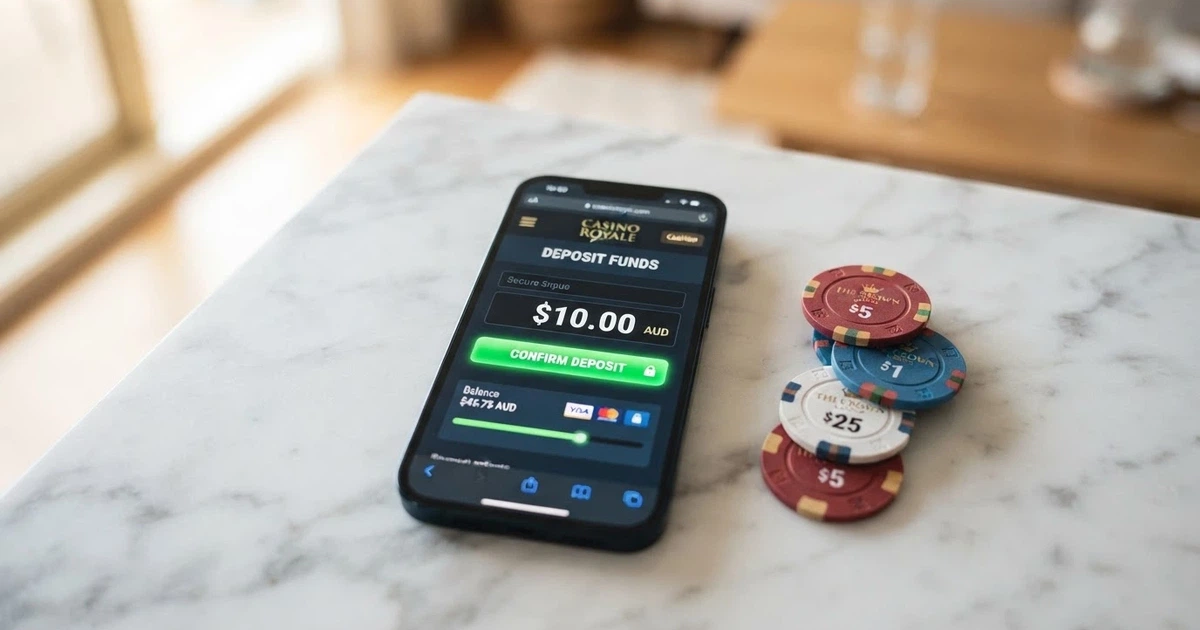
The dollar deposit is the gentlest pitch in the offshore casino business. It is also the most incomplete. A genuine A$1 deposit is a rare edge case — it shows up only on a narrow band of crypto or specific card and e-wallet segments, never broadly through PayID or Neosurf. Every operator offering one runs from outside Australia, because the Interactive Gambling Act 2001 makes it illegal for any casino to offer online pokies or table games to Australians. The dollar is real. The protections around it are not.
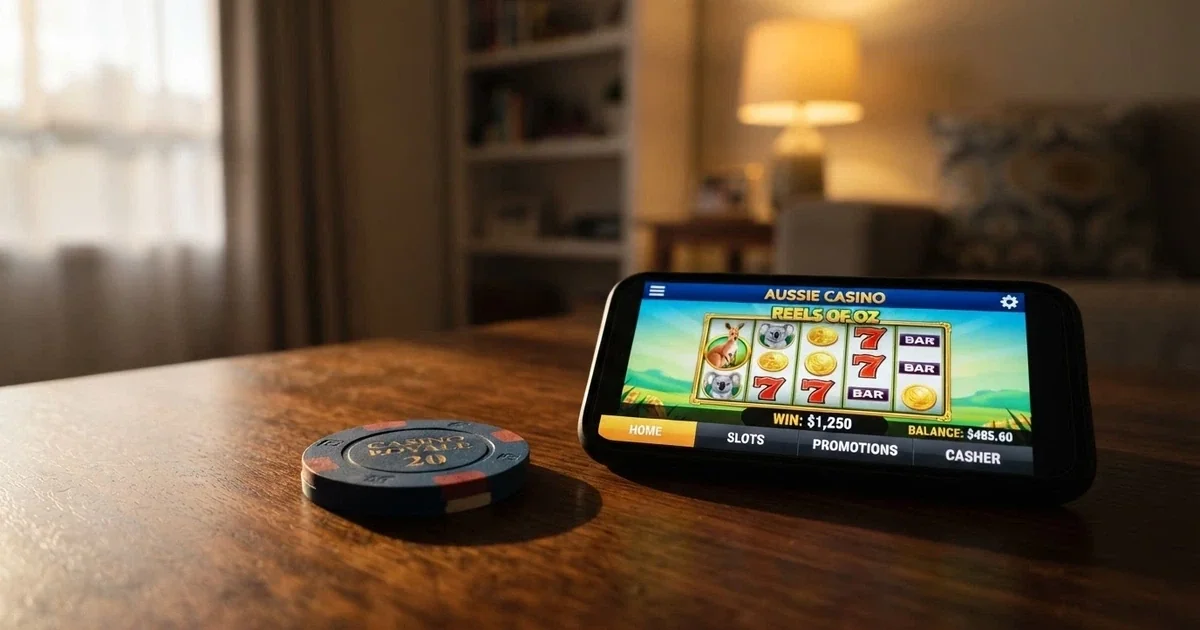
This page ranks ten offshore casinos that advertise a $1 deposit for Australian players. It states plainly which ones have a verified A$1 path and which ones do not, what the bonus terms cost the player, and what the law actually allows. It does not recommend a casino to play at.
Current as of 18 October 2026. Licence claims verified against the ACMA register of licensed interactive gambling providers and operator-issued licence pages.
Table of Contents
- The $1 deposit casino promise: what it actually delivers in 2026
- Where a dollar still opens the door: 2026’s $1 deposit casinos ranked
- The law you need to know before depositing a single dollar
- Getting your dollar onto the table: which payment rails actually take $1
- Which pokies give you a real run at $1 a spin
- Why your phone is the best place to play $1 pokies in 2026
- New 2026 $1 deposit casinos: fresh face or same risk?
- What happens when the fun stops: responsible gambling at the $1 level
- The criteria behind every $1 deposit casino on this page
- Your dollar, your call: what the numbers say about depositing $1 at an offshore casino
- Frequently asked questions
The $1 deposit casino promise: what it actually delivers in 2026
What “$1 minimum deposit” actually means — and what it doesn’t
A minimum deposit is a floor — the smallest amount the casino will accept to fund a real-money account. It is not a budget for play. It is not a withdrawal ceiling. It is the lowest rung on a ladder whose next rungs sit a long way up.
Casinos set this floor low because the dollar is a marketing number, not an economics number. A$1 arriving in the cashier costs the operator the same bank-processing fraction as a A$100 deposit — the marginal processing cost is trivial. The return on a low floor is a registered account, an email address, a payment method on file. The casino has the player in its database. The player has one dollar and a promotional landing page.
The minimum withdrawal tells the other half of the story. SpinFever, for example, sets its minimum cashout at A$20. Most operators on this list sit somewhere between A$20 and A$100. Even if you win on a $1 deposit and clear every bonus term, the smallest sum the casino will let you take out is roughly twenty times your starting balance.
That gap — a dollar in, twenty to a hundred dollars out — is the structural shape of every offer on this page. The marketing speaks in dollars. The withdrawal rules speak in tens of dollars.
$1 vs the standard Australian low-deposit landscape
The A$1 face-value deposit is the floor of the floor. The realistic AU deposit tiers above it tell a different story.
PayID and direct bank transfers — the rails most Australian players actually use — rarely go below A$5 and commonly sit at A$10 at entry-level sites. Premium PayID platforms push the floor higher, around A$30 in some cases. Debit cards and Neosurf vouchers sit a step above that again, usually A$10 to A$20. Crypto is the only rail where A$1 is technically achievable, and even then network fees can lift the effective cost.
The realistic floor for an Australian player who is not optimising for the smallest possible deposit is therefore A$5 to A$10 via PayID or bank transfer, A$10 to A$20 via card or voucher, and somewhere between A$15 and A$30 via crypto once the on-chain fees are paid. The gap between the headline “A$1 minimum” and the practical entry-point is the gap the rest of this page works in.
POLi, the old instant-banking rail, was shut down in Australia at the end of September 2023. PayID and Osko — the New Payments Platform overlay that delivers real-time bank transfers — have functionally replaced it. Most Australian-facing casinos now run PayID deposits alongside their other rails, and the A$5 to A$10 entry-point on PayID has become the de facto floor for the bulk of the offshore market.
Real-money play on a single dollar: what it can and cannot buy
At A$0.10 per spin — the lowest stake on most AU-facing pokies — A$1 buys ten spins. At A$0.20, the stake used on Katsubet’s Sweet Bonanza offer, A$1 buys five. At A$0.30, the stake on Spin Samurai’s Book of Dead bonus, you get three spins and change.
Those numbers are not bonuses. They are what the dollar actually plays for. Variance on a five- or ten-spin session is total. With ninety-six per cent long-run RTP, a real-money session across thousands of spins returns roughly four cents on the dollar to the player; across five spins, anything from zero to five jackpots is plausible.
The structural problem is the wagering requirement. Most $1 offers carry a 35x to 45x playthrough on bonus winnings, with maximum cashout caps of A$50 to A$200. The Katsubet 2,000% match, for example, puts A$20 in bonus funds on the table but requires A$900 in turnover before any of it can be withdrawn — many times the original deposit. With a A$100 cashout cap, even a player who runs hot through the wagering walks away with at most a hundred times their dollar.
A single dollar is enough to learn whether a site loads on a phone, whether the cashier accepts a payment method, and whether the welcome bonus actually pays out the spins it advertises. It is not enough to convert a bonus into a withdrawable win on anything close to a regular basis.
The Australian-market lens: NSW, regional variants and the local player
Pokies are a cultural fixture in Australia — the country has more poker machines per capita than almost any other, and “pokies” is the local word for slot machines. Searching “$1 deposit casino australia” is, in that sense, an Australian instinct: the player already knows what pokies are and wants a low-cost way in.
What an Australian IP actually returns when they search is exclusively offshore. No state or territory issues an online casino licence. The Northern Territory Racing and Wagering Commission licenses sports and race wagering operators, not casinos. The Victorian Gambling and Casino Control Commission regulates Crown Melbourne, a land-based venue. Liquor & Gaming NSW does the same for The Star Sydney. None of these licences extends to a website offering roulette, blackjack or pokies to a player at home.
The result is a regulatory vacuum in the only direction it matters for an online player. A NSW resident who opens an offshore casino account is dealing with an operator no Australian agency oversees, offering a product no Australian agency has licensed. That is the frame the rest of this page works within, and it is not a framing the offshore casinos themselves ever volunteer.
Where a dollar still opens the door: 2026’s $1 deposit casinos ranked
The table below ranks ten offshore casinos that target Australian players with a $1 deposit offer or a closely adjacent low-deposit entry-point. Cells where research surfaced no verified data are marked with an em dash, not invented. The headline for every row is the same: no operator on this list holds an Australian casino licence, because no such licence exists.

| Casino | Offshore Licence | $1 Deposit Offer | Free Spins / Bonus | Wagering | Max Cashout |
|---|---|---|---|---|---|
| SkyCrown | Curaçao eGaming 8048/JAZ2019-015 | Not confirmed at $1 | A$8,000 + 400 free spins across 4 deposits | 40x | — |
| Rocket Play | — | Not confirmed | — | — | — |
| Katsubet | Curaçao | A$1 via cashier | 30 free spins on Sweet Bonanza, or 2,000% match (A$20 bonus) | 40x on winnings / 45x on bonus | A$100 |
| SpinFever | Curaçao | A$1 via PayID | 20 free spins on Big Bass Splash | 35x on winnings | A$50 |
| Neospin | Curaçao Gaming Control Board | A$1 via crypto only (PayID floor A$10) | Daily cashbacks | — | — |
| Spin Samurai | Curaçao | A$1 via cashier | 75 free spins on Book of Dead | 35x | A$150 |
| Wazamba | Malta Gaming Authority | A$1 via cashier | 80 free spins on Starburst | 40x | A$200 |
| 7Bit Casino | Curaçao | A$1 via cashier | 60 free spins on Mega Moolah | 35x | A$200 |
| Royal Reels | — | Not confirmed | — | — | — |
| Joe Fortune | Anjouan | Not confirmed at $1 | — | — | — |
Most of the confirmed $1 paths run through free-spin packages tied to a single named pokie, not through cash bonuses that can be spent on any game. The columns are honest about what was and was not surfaced in the research; the cells that say nothing are saying something.
The five things every operator on this list is measured by
Five criteria sit behind every line in the table. None of them are promotional — they are the dimensions a player should weigh before claiming a $1 offer.
Licence jurisdiction is the first. Every operator here is offshore — Curaçao, Malta, Anjouan — and none is supervised by an Australian regulator. The Malta Gaming Authority sits a tier above Curaçao in European regulatory standing; Anjouan sits below Curaçao. The licence does not make an offshore casino safe for an Australian player, but it tells you which body — and which complaint channel — sits behind the operator in the country where it is registered.
The genuine $1 deposit path is the second. The operator must actually accept a single dollar through a working payment rail. Crypto is the only rail where A$1 face-value deposits consistently clear; PayID floors out at A$5 to A$10, Neosurf at A$10 to A$20, debit cards typically at A$10 or above. An operator that advertises a $1 offer but only delivers it through one method is still doing what the ad says — but the player should know which method that is.
Bonus terms and wagering come third. A 35x requirement on free-spin winnings is the lowest in the featured set; a 45x requirement on bonus funds is the heaviest. The maximum cashout cap — A$50 at SpinFever, A$200 at Wazamba and 7Bit — sets the ceiling on what a $1 deposit can ever return, regardless of how well the wagering plays.
The pokies library is the fourth. SpinFever runs 4,200 pokies across Pragmatic Play, Hacksaw Gaming, Play’n GO and Push Gaming. SkyCrown’s library runs past 6,000 titles — the largest on the list — with a confirmed portfolio across BGaming, Playson, IGTech, Booongo and Betsoft. The other operators did not surface their library counts in this research run.
Payout reliability is the fifth. Where research surfaced a withdrawal method and speed, it is named in the operator write-up below. Where it did not — for Rocket Play and Royal Reels — the absence is the answer. Neospin and Joe Fortune both surface sub-24-hour payout speeds; SkyCrown’s bank-transfer withdrawals clear within three days from a A$100 minimum.
Why most $1 deposit headlines hide a much larger commitment
A free-spin offer advertised at A$1 looks like a free ride. The mathematics underneath it rarely is.
Katsubet’s 2,000% match on A$1 delivers A$20 in bonus funds, with 45x wagering on the bonus and a A$0.20 spin value on the accompanying Sweet Bonanza free spins. The required turnover is A$900. At A$0.20 per spin, that takes 4,500 spins. At five seconds per spin, clearing the bonus before any withdrawal can be made runs to roughly six and a quarter hours of continuous play. The maximum cashout cap on the same offer is A$100, a separate ceiling that applies regardless of how the wagering goes.
The free-spin offers across the set carry similar arithmetic in lighter form. SpinFever’s 20 free spins at A$0.10 each are nominally A$2 in spin value, but the 35x wagering on winnings means any small win still requires seventy cents per dollar won turned over before withdrawal — and the A$50 cashout cap applies regardless of how the spins land. Wazamba’s 80 Starburst spins at A$0.25 each are nominally A$20 in spin value; the 40x wagering and A$200 cashout cap still set the ceiling.
The marketing word here is “free”. Welcome offers framed as “free” almost always carry a playthrough requirement and a cashout cap that together convert the headline into a long, narrow corridor with a defined exit. A player who reads only the headline walks in expecting a wide room. The room is a corridor.
SkyCrown — the 7,000-game giant with a Curaçao licence
SkyCrown is the largest operator on the list by game count and bonus ceiling. It runs a Curaçao eGaming licence under registration 8048/JAZ2019-015, with the casino managed by Hollycorn N.V. A separate Curaçao Gaming Control Board reference, OGL/2023/176/0095, also appears in licensing notes for the brand. The library is over 6,000 titles in one count and 7,000 in another, spanning BGaming, Playson, IGTech, Booongo and Betsoft among others.
The welcome package runs to A$8,000 plus 400 free spins spread across four deposits, with 40x wagering on bonus funds. The package is real and large. What it is not, in this research run, is a $1-specific offer. SkyCrown does not surface a $1 minimum deposit attached to a named welcome bonus in the data reviewed. The headline “$1” path for SkyCrown, to the extent one exists, would have to be confirmed at the cashier.
SkyCrown’s other specifications are similarly heavy on value and light on micro-deposit mechanics. Bank-transfer withdrawals clear within three days from a A$100 minimum. Crypto deposits do not qualify for bonuses at SkyCrown — only fiat deposits trigger the welcome package, a useful constraint to know for a player planning to top up. The operator is well-resourced and well-known among Australian offshore players.
Best for the player who plans to deposit more than A$1, where the four-deposit welcome package starts to earn its keep.
Rocket Play — Australia’s third-biggest offshore casino, light on $1 data
Rocket Play commands 9.4 per cent of the AU market among offshore casinos, ranking third by traffic in the Australian segment. That is a meaningful presence and the reason the brand appears on this list.
It is also where the research runs out of road. Rocket Play’s licence jurisdiction was not confirmed in this run’s searches. No $1 deposit offer, no welcome bonus terms, no game-provider list, and no withdrawal terms surfaced. The cells in the table for Rocket Play are empty by design — they reflect what the data shows, not what the brand is or is not offering.
A player evaluating Rocket Play on the basis of this page is choosing on the basis of market presence alone, not on the basis of a verified $1 path. The absence of a confirmed $1 offer is itself the answer here. If Rocket Play’s $1 deposit terms matter, they need to be confirmed at the cashier before any money changes hands.
The brand’s AU market share is real. Its $1 terms are unverified.
Katsubet — the 2,000% match that turns $1 into $21
Katsubet runs two $1-triggered offers, and they are not the same offer. The first is a 2,000% deposit match delivering A$20 in bonus funds, with 45x wagering on the bonus only and a A$100 maximum cashout. The second is 30 free spins on Sweet Bonanza at a A$0.20 per-spin value, with 40x wagering on winnings and the same A$100 cap. Both offers run on a Curaçao licence, with iTech Labs RNG certification on the games.
The arithmetic on the 2,000% match has already been worked through above. A$20 in bonus funds, A$900 in required turnover, 4,500 spins at A$0.20, six and a quarter hours of continuous play to clear, A$100 maximum cashout regardless of result. The headline number is the percentage. The arithmetic number is the hours.
The 30 free spins are the cleaner entry-point. Thirty spins at A$0.20 is A$6 of nominal play value. A small win from those spins cleared at 40x with a A$100 cap is a feasible outcome in a way the 2,000% match is not — but the 2,000% is the headline, and Katsubet is the brand most players will find first when searching “$1 deposit casino australia”.
A$1 in, two offers out, six and a half hours of work to convert the bigger one into anything withdrawable.
SpinFever — 20 free spins and the lowest wagering on the list
SpinFever’s $1 offer is 20 free spins on Big Bass Splash, triggered by a A$1 PayID deposit. The spin value is A$0.10, the wagering is 35x on free-spin winnings, the maximum cashout is A$50, and the minimum withdrawal is A$20. The pokie library runs to 4,200 titles across Pragmatic Play, Hacksaw Gaming, Play’n GO and Push Gaming — one of the larger libraries in the featured set.
The 35x wagering is the lowest in this ranking, and the A$20 minimum withdrawal is one of the lowest. The A$50 cashout cap, however, is also the lowest ceiling on the list. SpinFever is, in plain terms, the operator that takes the smallest cut on a winning spin and applies the smallest ceiling on what those spins can return. Both numbers shape the offer.
The 35x wagering is the lowest on the list. The A$50 cashout cap is also the lowest. The two numbers travel together.
Neospin — crypto $1 deposits and sub-2-hour payouts
Neospin is the only operator on this list with a confirmed A$1 crypto deposit path, on a Curaçao Gaming Control Board licence. PayID deposits at Neospin floor at A$10; the A$1 entry-point runs through crypto. The headline payout speed is 0 to 2 hours across the payment methods the casino supports — the fastest withdrawal timing on this list. Daily cashback promotions are noted on the operator’s terms.
The bonus question at A$1 is where the picture blurs. No $1-specific welcome bonus terms surfaced in this research run. A player landing at Neospin with A$1 in crypto will trigger the deposit end of the system; what they will trigger on the bonus end needs to be confirmed at the cashier before the deposit is made. Daily cashback is a recurring offer rather than a welcome offer, and its terms are not interchangeable with a first-deposit free-spin package.
Fastest payouts on the list and the clearest crypto path at A$1 — assuming the bonus terms match the deposit end.
Spin Samurai — 75 Book of Dead spins for your dollar
Spin Samurai runs 75 free spins on Book of Dead for a A$1 deposit, at A$0.30 per spin, with 35x wagering and a A$150 maximum cashout. The nominal value of the spin bundle is A$22.50 — the highest face-value free-spin bundle on the list after Wazamba. The Curaçao licence behind the operator is the standard framework for offshore brands of this size.
The A$0.30 per-spin value is the highest in the featured set. Book of Dead is a ten-payline pokie at minimum coin level, so 75 spins at the minimum configuration is what the bonus buys. A higher per-spin value means fewer spins from the same dollar — but it also means each spin pays on more lines and counts more against the wagering requirement.
Spin Samurai’s offer is the trade-off expressed as a single number: more money per spin, fewer spins per bonus, the same 35x requirement, a mid-range A$150 cashout cap. A player who values a long session on a single pokie over a wide sample of games has the better reason to land here.
More money per spin, fewer spins per bonus. The A$0.30 stake is the trade-off, not the headline.
Wazamba — MGA-licensed and 80 Starburst spins at $1
Wazamba runs the only Malta Gaming Authority licence in the featured set. The MGA sits a tier above Curaçao in European regulatory standing: more demanding reporting, a working complaint channel for European Union residents, and a longer established regulatory track record. None of this gives an Australian player an Australian regulator to complain to — that operator does not exist — but the licence itself is the cleanest in the list.
The $1 offer is 80 free spins on Starburst at A$0.25 per spin, with 40x wagering and a A$200 maximum cashout — tied for the highest cap on the list. The nominal spin value is A$20. Starburst is a ten-payline pokie with low variance, which makes it one of the friendlier titles for clearing wagering at minimum stake.
The MGA licence and the tied-highest cashout cap are the two specifications that make Wazamba stand out from the Curaçao-heavy field. The 40x wagering is a rung above SpinFever and Spin Samurai’s 35x, but the cashout ceiling and the licence tier compensate in different ways.
Wazamba carries the only MGA licence on the list. That single specification is the reason it sits where it does.
7Bit Casino — 60 Mega Moolah spins and a A$200 cashout cap
7Bit runs 60 free spins on Mega Moolah at a A$0.25 spin value, with 35x wagering and a A$200 maximum cashout, on a Curaçao licence. Mega Moolah is the pokie most players will recognise by name — the Microgaming progressive jackpot that has paid out seven-figure sums over its lifetime. The 60 free spins are nominal A$15 in spin value.
The progressive jackpot is the draw, and the catch is that the free spins do not include a guaranteed route to the jackpot tier. The standard Mega Moolah gameplay runs, and any wins clear through the 35x wagering with the A$200 cap. A player who lands the bonus wheel and triggers a progressive tier wins against the bonus ceiling; a player who does not walks away with whatever the standard gameplay delivers, capped at A$200.
Mega Moolah is the draw. Most $1 deposits will not reach the jackpot tier — the wagering and cap still apply to anything that lands.
Royal Reels — a familiar AU name with unconfirmed $1 terms
Royal Reels holds 2.51 per cent of the AU offshore casino market, ranking among the more visible brands to Australian players. The brand recognition is real and is the reason it sits in this ranking.
The research could not confirm Royal Reels’ licence jurisdiction, $1 deposit offer, welcome bonus terms, or game-provider list in this run. The cells in the table are empty for the same reason Rocket Play’s are — the data did not surface, and the cells reflect that absence rather than invent around it.
A player landing on Royal Reels on the strength of brand awareness will need to confirm the $1 path, the bonus terms and the licence at the cashier. The brand familiarity is the entry-point; the verification work is the price of that familiarity.
A familiar name. Unconfirmed $1 terms. The cells in the table are empty for the same reason.
Joe Fortune — AU-focused offshore casino with PayID support
Joe Fortune is built for Australian players in a way the other operators on this list are not. It holds an Anjouan licence, supports PayID and bank transfer and crypto deposits, and runs payout speeds under 24 hours. The brand tailors its pokies selection and customer support for the Australian market, with a focus on the local audience that the other Curaçao-heavy operators treat as one regional segment among many.
The $1 question is where the data runs thin. No $1-specific welcome bonus terms surfaced in this research run for Joe Fortune. The PayID support and sub-24-hour payouts are confirmed; the bonus mechanics at the A$1 entry-point are not. A player using Joe Fortune for the Australian-tailored experience should expect a smoother cashier than most offshore competitors offer, and should confirm the bonus terms at deposit time rather than assume.
An AU-tailored build, but the $1 bonus terms are the gap to verify before any money moves.
The law you need to know before depositing a single dollar
The Interactive Gambling Act 2001 makes it illegal for a gambling provider to offer online casinos, online pokies or in-play sports betting to people in Australia. The 2017 amendment strengthened the prohibition. There is no online casino licence anywhere in Australia — not federally, not in any state or territory. Every operator on this page is offshore because it has to be.
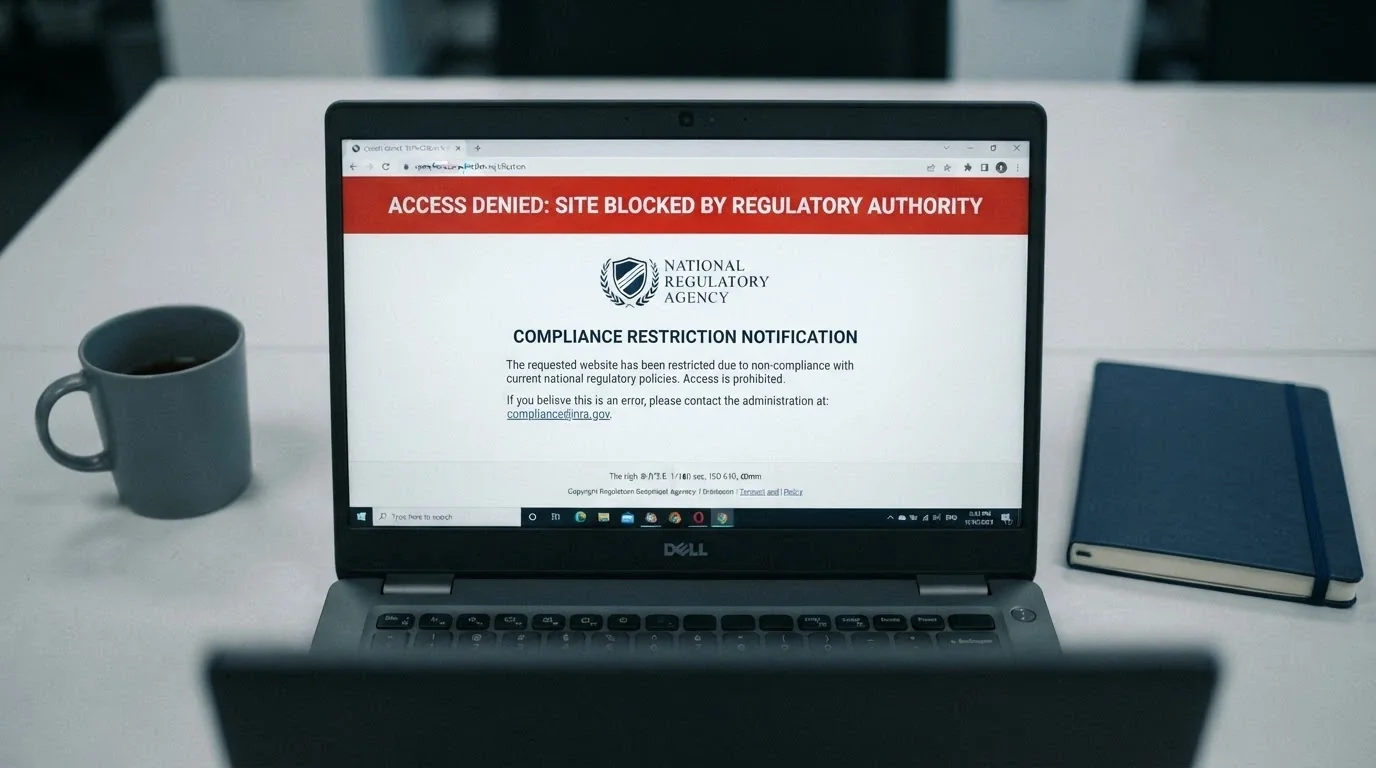
This section sets out what the law actually prohibits, what it does not, and what that means for money a player has on an offshore site.
The Interactive Gambling Act: what it bans and what it does not
The IGA prohibits the provision of online casino games, online pokies and in-play sports betting to Australian customers. Wagering on races and on pre-event sport is licensed — through operators licensed by a state or territory, primarily the Northern Territory Racing and Wagering Commission, with the regulator most Australians meet at the state level varying by jurisdiction. Lotteries and keno are licensed separately.
The penalties for providing a prohibited service are set out in the Act. The maximum criminal penalty is A$360,000 per day for individuals and A$1.8 million per day for bodies corporate. The civil penalty regime runs higher, up to A$2,475,000 per day for an individual and A$12,375,000 per day for a corporation. The criminal and civil figures are alternative frameworks under the Act, not cumulative daily figures for the same offence.
The IGA targets the provider, not the customer. The individual player is not prosecuted for using an offshore casino. That fact is sometimes read as a green light. It is not. It is a feature of how the Act is structured, not a finding that the offshore product is safe or sanctioned.
The ACMA enforcement machine: blocks, fines and 1,788 sites taken down
The Australian Communications and Media Authority enforces the online prohibition. Its powers include investigating complaints, issuing formal warnings, referring matters for civil penalty proceedings, and directing Australian ISPs to block illegal services.
Since November 2019, when the ACMA made its first blocking request, 1,788 illegal gambling and affiliate websites have been blocked by Australian ISPs. Over 230 illegal services have pulled out of the Australian market since the ACMA started enforcing the current regime in 2017. The enforcement is active, not symbolic. In the first quarter of 2026 alone, the ACMA opened 25 formal investigations covering 60 gambling websites and identified breaches of the Interactive Gambling Act in 23 of them.
The Tabcorp case from January 2026 shows the ACMA acting on the licensed side of the market too, not only offshore. The regulator issued eight infringement notices to Tabcorp, each for A$19,800, totalling A$158,400, for BetStop non-compliance. A licensed Australian wagering operator with a self-exclusion breach is treated the same as an unlicensed one offering a prohibited product: with infringement notices and the published penalty.
A site a player deposits on today can be on the blocked list tomorrow. That is the operational reality the ACMA’s record produces.
What playing at an offshore casino actually means for your money
The offshore status of every operator on this page has practical consequences that the marketing copy does not volunteer.
There is no Australian consumer protection. The Australian Consumer Law does not apply to an offshore casino, because the consumer and the supplier are not in the same jurisdiction and the transaction is not a domestic one. There is no Australian complaints body and no ombudsman to escalate a dispute to. The casino’s own terms are the contract. The casino’s own support team is the tribunal.
Self-exclusion through BetStop does not reach offshore casinos. BetStop binds approximately 150 licensed wagering providers in Australia — bookmakers, the TAB, and lotteries that operate under Australian licence. An offshore casino is not licensed in Australia and is not connected to the register. A player who has registered with BetStop is not, by that registration, prevented from logging into or depositing at any operator on this page.
The site can be blocked. The ACMA’s blocking requests reach Australian ISPs, which means an offshore casino can become inaccessible from Australia without warning. A balance left on a blocked site is, in practical terms, stranded. The casino does not have to refund it. The ACMA’s enforcement priority is the Australian end of the connection, not the balance.
The credit card and crypto ban since 11 June 2024 — under the Interactive Gambling Amendment (Credit and Other Measures) Act 2023 — is the last practical warning sign. The ban prohibits credit cards, credit-related products and digital currency as payment for online wagering. An operator that accepts credit cards or crypto from Australian players is, by definition, operating outside Australian rules. Penalties for non-compliant operators reach A$247,500.
As the ACMA has put it: even if an illegal service looks legitimate, it is unlikely to carry important customer protections. Australians using illegal gambling services risk losing their money.
Getting your dollar onto the table: which payment rails actually take $1
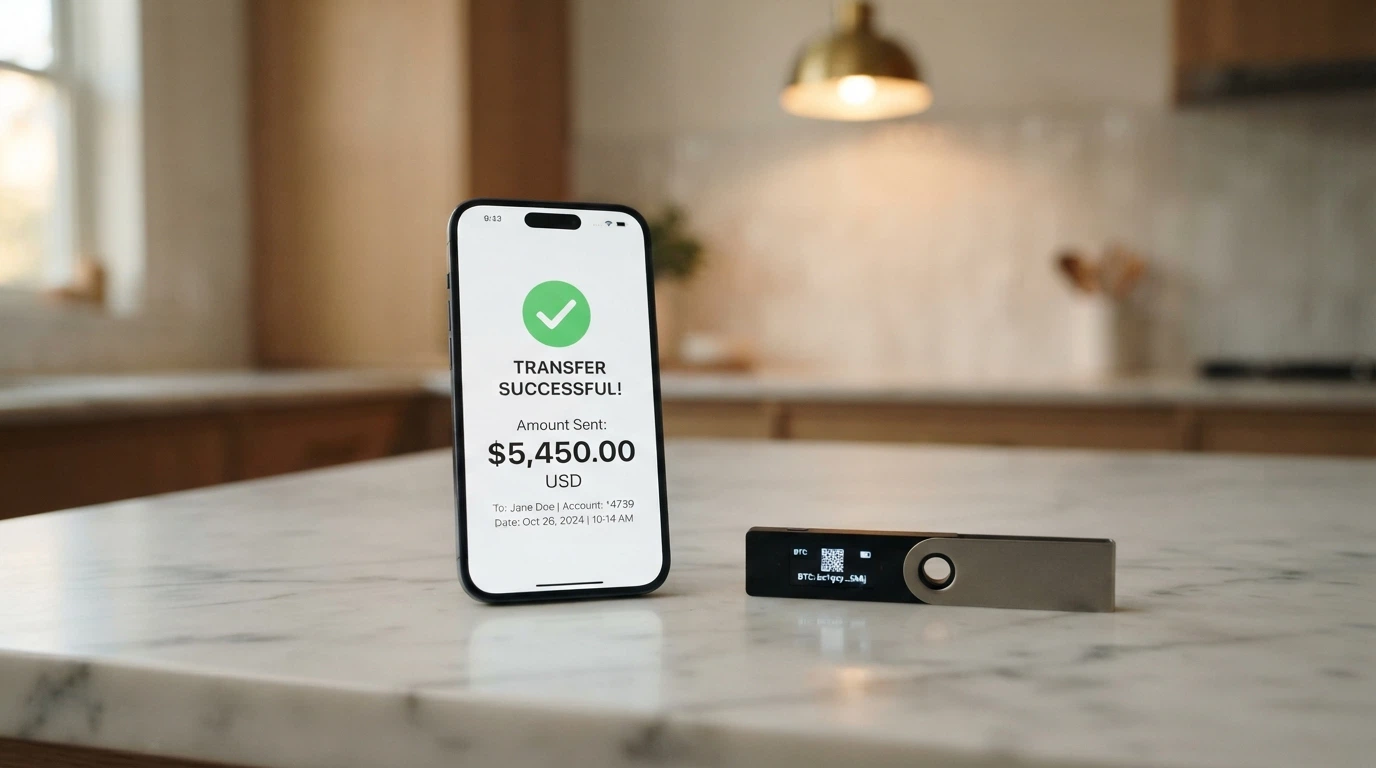
The four payment rails Australian players use to fund offshore casinos behave very differently at the A$1 entry-point. Only one of them genuinely reaches A$1 face-value, and even that one carries a hidden cost.
| Payment Method | Typical Minimum Deposit | Deposit Speed | Withdrawals Supported | Key Limitation |
|---|---|---|---|---|
| PayID / Osko | A$5–A$10 (entry-level); up to A$30 at premium sites | Under 60 seconds, fee-free | Yes — typically 2–4 hours | Cannot reach A$1 |
| Cryptocurrency | A$1 face-value (Bitcoin, Litecoin, Ethereum) | Variable — depends on network confirmation | Yes — speed varies by coin | Network fees can lift effective cost to A$15–A$30 |
| Debit card (Visa / Mastercard) | A$10–A$20+ | Instant at cashier, but processing varies | Yes — 3–5 business days | Credit cards banned for online wagering since June 2024 |
| Neosurf voucher | A$10–A$20+ | Instant once voucher code is redeemed | No — deposit only | One-way rail; withdrawal forced to bank, card or crypto |
The table is the route map; the sections below explain why each row reads the way it does.
PayID and Osko: the Australian instant-banking advantage
PayID is the cleanest AUD deposit rail available to an Australian player. Deposits are fee-free at both the bank and casino level, and they clear in under sixty seconds. The system uses the New Payments Platform, the Australian real-time bank transfer overlay, so the money moves between bank accounts with the same speed whether it is going to a telco or to an offshore cashier.
The minimum deposit floor is the catch. Most entry-level casinos using PayID set their minimum at A$5 to A$10. Premium sites push it higher, sometimes to A$30. The A$1 promise the page is built on cannot be reached through PayID at any of the casinos reviewed. PayID is the rail for the player who has accepted that A$5 is the realistic floor.
PayID also works as a withdrawal method. Turnaround times of 2 to 4 hours are standard at most casinos reviewed. That two-way capability — deposit in, withdrawal back to the same bank account — is the rail’s main advantage over Neosurf, which is one-way only.
POLi, the old instant-banking rail that Australian-facing casinos used until 2023, was shut down at the end of September 2023. PayID and Osko replaced it functionally. A player who remembers depositing through POLi at A$10 will find the same experience at the same floor on PayID today.
Crypto deposits: the only rail that genuinely hits $1 — at a hidden cost
Cryptocurrency is the one rail where a A$1-equivalent face-value deposit is technically possible. Bitcoin, Litecoin and Ethereum all clear at the cashier for amounts under A$2 on some operators.
The problem is the network fee. Bitcoin transaction fees are a genuine obstacle for small deposits; on a low-traffic day the fee might be a few dollars, on a congested day it can run higher. The effective cost of a A$1 Bitcoin deposit can therefore be A$2 to A$5 before the casino sees a cent. Litecoin and Ethereum tend to carry lower fees, but the pattern is the same: the rail accepts A$1, but the chain charges for the privilege.
Neospin on this list is the clearest example of the crypto path in practice: a confirmed A$1 minimum deposit through crypto, with a separate A$10 floor on PayID. The player who arrives with A$1 in Bitcoin reaches the cashier; the player who arrives with A$1 in Australian dollars through PayID does not.
The crypto path also carries a regulatory flag. Credit cards and digital currency are both banned as payment for online wagering under the June 2024 amendment. An operator that accepts crypto from Australian players is operating outside the Australian regulatory framework — which is consistent with the rest of this page, but worth stating explicitly. Crypto is the only rail that consistently reaches A$1, and it does so at a casino that is, by virtue of accepting crypto from Australians, demonstrably outside Australian rules.
Cards and Neosurf: the A$10–A$20 floor and the credit-card trap
Debit cards issued by Australian banks — Visa and Mastercard — generally carry minimum deposits of A$10 to A$20 at offshore casinos, sometimes higher. Deposits are fast at the cashier end, but the floor is well above the A$1 target.
Card withdrawals are slower than deposits. Most casinos in this review clear debit-card withdrawals in 3 to 5 business days. The processing sits with the card network and the issuing bank, neither of which can move at PayID speed.
Credit cards are banned as payment for online wagering since 11 June 2024, under the Interactive Gambling Amendment (Credit and Other Measures) Act 2023. Penalties for operators that fail to enforce the ban reach A$247,500. A player who reaches for a credit card at an offshore casino will find the cashier declining it; an operator that does not decline it is, again, outside Australian rules. The ban covers credit cards, credit-related products and digital currency.
Neosurf is a prepaid voucher. It is sold at Australian retail outlets and redeemed at the casino cashier for a fixed value, generally A$10 to A$20 minimum. It is a deposit-only rail: there is no Neosurf withdrawal. A player depositing through Neosurf has to choose a separate rail — bank, card or crypto — to receive any winnings. The deposit is quick and anonymous in the cashier sense, but the one-way nature of the rail forces a method decision at withdrawal time.
Why your deposit method locks in your withdrawal path before you play
The rail a player chooses at deposit time is not always the rail the casino will let them withdraw on. PayID is the only rail in the table that operates cleanly in both directions: deposit in, withdrawal back to the same bank account, 2 to 4 hours either way. Crypto is two-way in principle but variable in speed — the casino controls the queue. Card withdrawals are 3 to 5 business days. Neosurf is deposit-only.
The minimum withdrawal is set well above the minimum deposit at every operator on the list. SpinFever’s A$20 minimum withdrawal is one of the lower floors. SkyCrown’s bank-transfer withdrawals start at A$100. The gap between A$1 in and A$20 to A$100 out is not a quirk; it is the structural shape of the market, and it is independent of how well the bonus plays.
The player who deposits $1 through a method that cannot withdraw to itself has, in practical terms, given the casino custody of the balance. There is no withdrawal path back through Neosurf. The balance has to move through PayID, a bank account or crypto. The deposit rail locks in the withdrawal rail before the first spin.
Which pokies give you a real run at $1 a spin
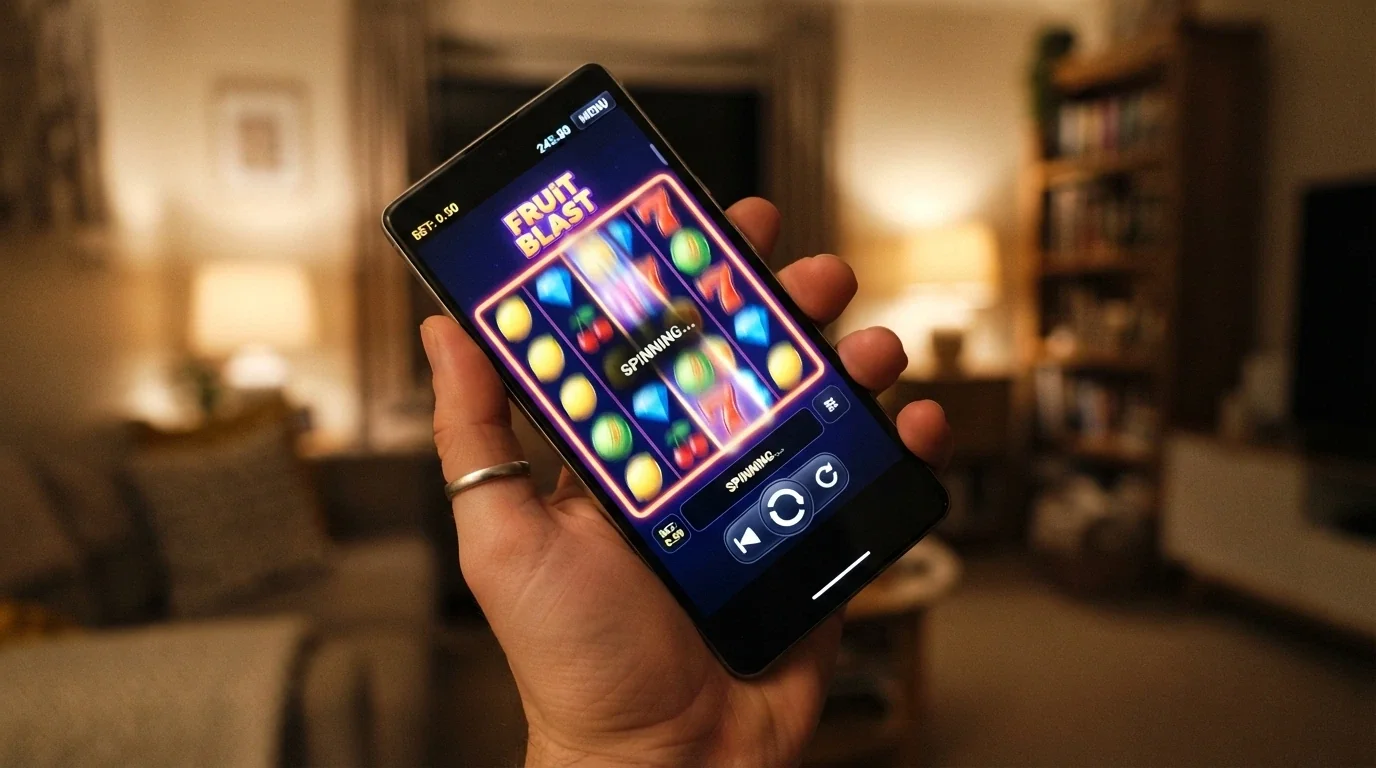
The pokies available at minimum-stake settings across the featured casinos are largely indistinguishable on game mechanics at the A$0.10 to A$0.20 level — what changes between them is the RTP and the volatility. The table below lists the six SkyCrown titles with confirmed per-title RTP in this research run. They are the only titles where the data surfaced; the rest of the featured libraries carry no per-title RTP figure in this review.
| Pokie Title | Provider | RTP | Volatility |
|---|---|---|---|
| Wild Cash | BGaming | 96.00% | — |
| Buffalo Power Megaways | Playson | 95.84% | — |
| Wolf Treasure | IGTech | 96.00% | — |
| Dragon Wealth | Booongo | 95.61% | — |
| Elvis Frog in Vegas | BGaming | 96.00% | — |
| Pho Sho | Betsoft | 96.20% | — |
Volatility figures did not surface for these or any other titles in this research run. The volatility column is left empty for that reason rather than filled in.
The pokies that give $1 the longest run: RTP and volatility explained
RTP — return to player — is the share of total stakes the pokie returns to players over a very large number of spins. A pokie with 96% RTP returns, on average, A$96 for every A$100 wagered across enough spins to make the average meaningful. The 4% that does not come back is the house edge, and it applies regardless of stake size.
At A$1 of stakes the average is meaningless. RTP plays out across tens of thousands of spins. Across five or ten spins, anything is plausible — the player’s actual return can be zero, or several multiples of the stake. The short-term variance dominates the long-term average so thoroughly at the A$1 level that RTP is almost a footnote.
Volatility matters more than RTP at the A$1 level. A low-volatility pokie returns small wins frequently — many spins pay something, even if it is rarely a big multiplier. A high-volatility pokie returns nothing for long stretches and then a large win occasionally. On a A$1 bankroll across ten spins, a high-volatility pokie can wipe the balance in three or four dead spins and leave the player with no second chance; a low-volatility pokie will keep paying small amounts and stretch the session.
The Wolf Treasure and Big Bass Splash titles used in welcome-spin packages sit in the low-to-medium volatility range. The Book of Dead title on Spin Samurai’s bonus is medium-to-high. None of these labels are operator-published — they are derived from session-level observation, not from per-title datasheets.
Australian pokies real-money play vs demo mode at the $1 level
The mechanical experience of a real-money pokie at A$0.10 per spin is identical to the demo-mode experience at the same stake. The reels, the symbols, the bonus features and the random number generator do not change. The difference between the two is psychological, not mechanical.
Real-money play at minimum stake adds the weight of a real stake to every spin. A win registers as a win; a loss registers as a loss. Demo mode strips that weight out: a win is a green flash, a loss is the same green flash with a different number underneath. For a player testing whether they enjoy a pokie’s mechanics, demo mode is the cheaper test.
Most $1 deposit bonuses in the featured set deliver free spins on a specific pokie, not on the operator’s full library. A player who has tested a pokie in demo mode and then deposits $1 to claim a free-spin package on the same title is matching the bonus to a known experience. A player who deposits $1 and discovers the bonus is locked to an unfamiliar title is taking the bonus on the casino’s terms.
The $1 deposit, in practice, is closer to a paid demo than to a paid gambling session. Ten spins at A$0.10 is a brief test. A real session at minimum cost is a ten- to twenty-dollar deposit, not a one-dollar one.
Payline settings and bet sizing: stretching $1 across the reels
The number of active paylines and the per-line stake together set the cost of a single spin. A 25-payline pokie at the minimum coin level charges 25 times the line stake per spin. A 10-payline classic at the same coin level charges 10 times the line stake. A player looking to stretch A$1 across as many spins as possible is looking for the lowest payline count at the lowest coin level — typically the 10-payline classics with a per-line minimum of A$0.01, giving a spin cost of A$0.10.
Big Bass Splash, the pokie on SpinFever’s 20 free spins, runs a 10-payline configuration. Book of Dead on Spin Samurai’s 75 spins also runs 10 paylines. Starburst on Wazamba’s 80 spins runs 10. Sweet Bonanza on Katsubet’s 30 spins uses a pay-anywhere mechanic, where wins form on adjacent reels regardless of fixed lines — the spin cost is set by the total stake rather than by a per-line figure. Mega Moolah on 7Bit’s 60 spins uses 25 paylines.
A higher payline count does not give the player more chances to win per spin in a meaningful RTP sense — the RTP is calculated across total stake, not across paylines. It does, however, change the cost per spin. The pokie a $1 deposit plays best on is the pokie with the lowest payline count at the lowest line stake. The bonuses on this list were not chosen with that calculation in mind.
Why your phone is the best place to play $1 pokies in 2026
The desktop browser still works, and a desktop deposit flow is generally identical to a mobile one. The reality for most $1 deposit players, though, is that they will land on a phone. Every operator on this list runs a mobile-responsive site. The cashier, the pokie lobby and the deposit flow are all designed to load on a phone screen, and the $1 entry-point is, if anything, more frictionless on mobile than on desktop — fewer taps from the home screen to a A$1 deposit confirmation than from a desktop browser with multiple tabs.

App or browser: how $1 deposit casinos actually reach your phone
Dedicated casino apps are rare among offshore operators targeting Australia. The Apple App Store and Google Play Store enforce restrictions on real-money gambling apps in most jurisdictions, and offshore casinos typically do not maintain native iOS or Android builds. The mobile experience runs through the device’s browser.
The browser experience is good enough that most players will not notice the absence of an app. The cashier, the pokie lobby and the deposit flow load through the mobile browser at the same speed as on desktop, with the layout adapted to the smaller screen. Game performance on a modern phone is comparable to desktop. The friction is at install time — there is no install, because there is no app.
Some operators maintain progressive web app builds that the phone will offer to install as a home-screen icon. That is the closest most offshore casinos come to a native app, and it works around the app-store restrictions without losing the home-screen shortcut. A player who wants the icon-on-the-home-screen experience can have it without downloading a full app.
The mobile experience, in short, is the experience. The desktop is the fallback, not the other way around.
New 2026 $1 deposit casinos: fresh face or same risk?
The Australian offshore casino market sees a steady stream of new entrants every year. In 2026 the pattern is unchanged: a new brand launches with an aggressive $1 deposit offer, an offshore licence — most commonly Curaçao — and a marketing push aimed at the AU market.
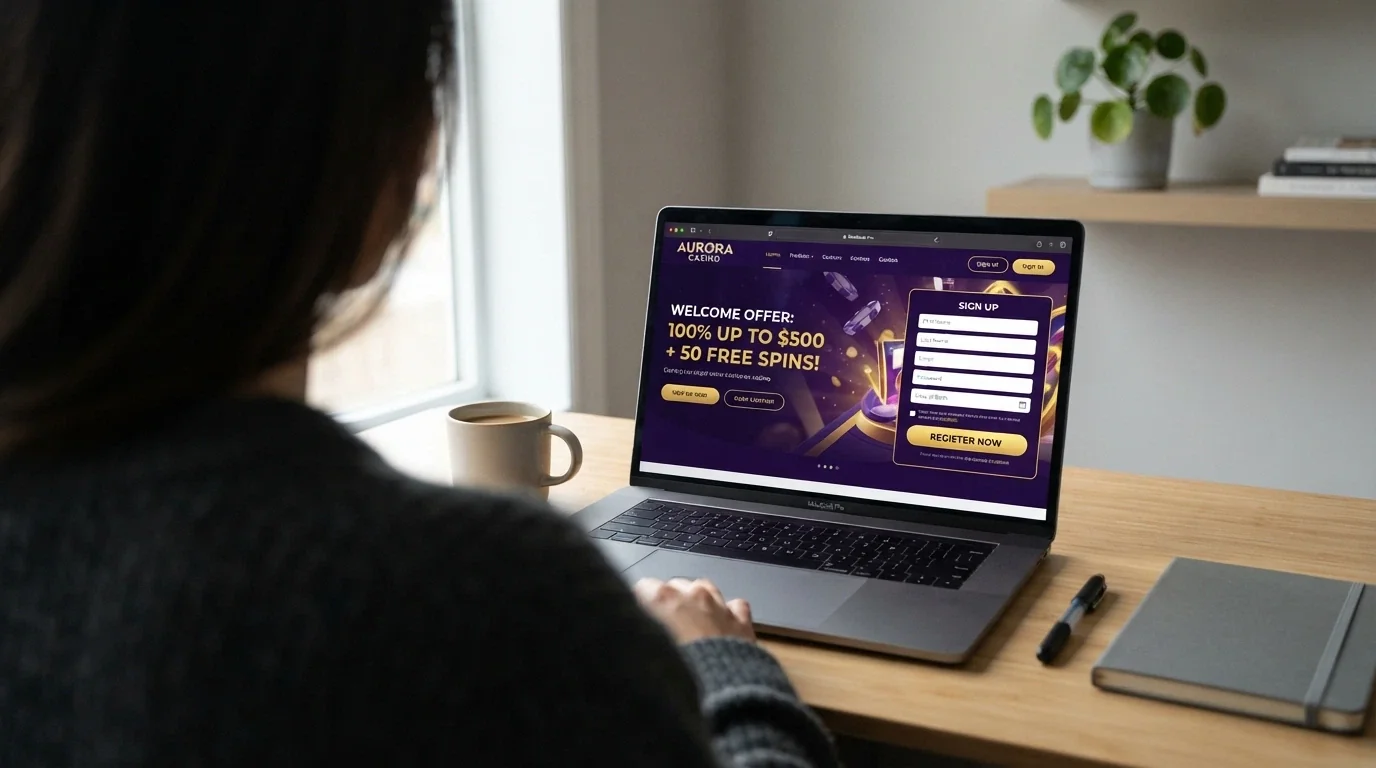
The thing that changes between a new entrant and an established name is track record. A $1 deposit offer from a casino that has been paying out Australian players for five years is a different risk proposition from the same offer from a brand that has been operating for five months. The licence does not change much — Curaçao is Curaçao, and the regulator’s complaint process is consistent across operators. The operational history does.
The ACMA’s enforcement record tells the rest of the story. Of the 1,788 websites blocked since November 2019, a substantial share were newer entrants that did not survive contact with the regulator. A player depositing on a fresh brand is taking a chance the established operators have already paid for, in enforcement actions, in payout disputes and in turnover history.
New casino vs established name: what changes at the $1 level
The five established operators on this list — SkyCrown, 7Bit, Wazamba, SpinFever and Spin Samurai — have multi-year track records, confirmed licences and surfaced bonus terms. The new entrants, where they appear in this research run, do not have all three.
The licence and ownership transparency gap matters more at $1 than at $100. A $1 deposit is a low-cost way for a new casino to collect player data, payment-method details and email addresses. The casino needs that data to market its next offer, and the player’s A$1 is the price of admission to that funnel. The player gets a free-spin bundle that may or may not clear; the casino gets a registered user.
A new casino with an unproven track record and a $1 deposit offer is not a worse offer than an established one by definition. It is, however, a less documented one. The player choosing between the two is choosing between a confirmed offer with known terms and a plausible offer with unverified terms. The $1 price is not, by itself, the safety net.
What happens when the fun stops: responsible gambling at the $1 level
A A$1 deposit cap sounds like built-in harm minimisation. It is not. The minimum deposit is a marketing entry-point, not a responsible-gambling tool. A player can deposit $1 fifty times faster than they can deposit $50 once, and the friction on mobile is near-zero. The harm minimisation a $1 floor implies is the harm minimisation the marketing implies; neither is real.
Budgeting a dollar at a time: why the deposit floor is not a safety net
The deposit floor’s role in a responsible-gambling framework is notional. The IGA prohibits online casinos outright, so there is no Australian deposit ceiling, loss limit or stake cap to apply to offshore operators. Offshore casinos that offer player-set deposit limits do so voluntarily, and the offering is inconsistent — some operators carry the tools, others do not.
The top-up loop is the real risk. A player who has decided to deposit $50 in a session will, on most operators, type $50 once and stop. A player who has decided to “play with dollars” will deposit $1, lose it, deposit $1, lose it, deposit $1, lose it — and find fifty dollars has gone without the moment where they would have stopped at $50. The pattern is documented in problem-gambling research as a smaller-stakes, higher-frequency version of the chasing behaviour the larger-stakes players also exhibit.
About 2.1 per cent of Australian adults — roughly 430,000 people — experience problem gambling. The Australian Institute of Health and Welfare put high-risk gambling at 1.8 per cent in 2022. The dollar-deposit format does not fall outside that prevalence. If anything, the lower friction and faster top-up cycle make the format easier to fall into, not harder.
Player-set deposit limits, where an operator offers them, are the only practical counter. They have to be set before the first $1 deposit, not after.
Self-exclusion that works — and the offshore gap BetStop cannot close
BetStop is the Australian National Self-Exclusion Register. It launched on 21 August 2023. As of Q3 of the 2025–26 financial year, 59,830 people had registered to self-exclude, with 37,247 active exclusions as of 31 March 2026. Registrants can choose a minimum exclusion period of three months, scaling up to a lifetime ban. Removal in the first three months is not permitted; removal after that requires a statutory declaration confirming counselling.
The results from BetStop are striking. ACMA’s survey of registrants found 77 per cent reported a better overall quality of life, 79 per cent experienced improved mental health, and 69 per cent reported better personal relationships. The headline result is 96 per cent who said they had either completely stopped betting (81 per cent) or decreased their betting (15 per cent).
BetStop binds approximately 150 licensed Australian wagering providers. It does not bind offshore casinos. A player who has registered with BetStop is, by that registration, excluded from every licensed Australian bookmaker, the TAB, and the licensed wagering operators in each state and territory. The registration does not extend to a single casino on this page. The same gap applies to state-level self-exclusion schemes.
The National Gambling Helpline — 1800 858 858 — is free, confidential and staffed 24 hours a day, seven days a week, with online chat and counselling through Gambling Help Online at gamblinghelponline.org.au. The helpline is the right first call for anyone whose gambling — at the $1 level or any other — is slipping. The offshore status of the casino does not change the help that is available from Australia.
The criteria behind every $1 deposit casino on this page
The sources used to compile this ranking were the ACMA’s register of licensed interactive gambling providers, last updated 19 March 2026; individual operator licence pages on the Curaçao, Malta and Anjouan regulator sites; and independent casino review data from Slotspeak, Freeslots99, VegasPokie, Esports, PokiesAustralia, AustralianGamblers, Slotozilla, ThePokies and EstelleAustralia. Where two sources disagreed on a specification, the more conservative figure was used.
The evaluation criteria were five: licence jurisdiction and its meaning for an Australian player, the genuine $1 deposit path, bonus terms and wagering requirements, game library depth and provider quality, and payout reliability. Each criterion was applied against the data surfaced, and each operator’s row in the ranking table reflects what the data shows — including the gaps.
No operator on this list holds an Australian casino licence, because no such licence exists. The ranking reflects the operators’ presence in the Australian offshore market and the research available at the time of writing, and is not exhaustive of the wider offshore market. New operators launch continuously; established operators change terms; the ACMA continues to enforce against offshore services. The data behind this page is current as of the date in the line under the lead paragraph; readers should confirm terms at the cashier before any deposit.
Your dollar, your call: what the numbers say about depositing $1 at an offshore casino
Three realities run through every line of this page.
Every operator on the list is offshore, outside Australian law, and unsupervised by any Australian regulator. The Interactive Gambling Act 2001 prohibits the provision of online casino games to Australians. The ACMA enforces that prohibition actively, with 1,788 sites blocked since November 2019 and 230 services withdrawn since 2017. A player using an offshore casino has no Australian consumer protection, no BetStop coverage, no Australian complaints body, and a real risk of the site being blocked while a balance sits on it.
A genuine A$1 deposit is a narrow path. Most payment rails floor out well above A$1: PayID at A$5 to A$10, debit cards at A$10 to A$20, Neosurf at A$10 to A$20. Crypto is the only rail that consistently reaches A$1 face-value, and Bitcoin’s network fees can lift the effective cost to A$15 to A$30. The headline “$1 minimum deposit” describes what is technically possible through one rail at one operator; it does not describe what is normal.
The wagering and cashout caps make withdrawing anything from $1 statistically remote. A 35x to 45x playthrough on bonus winnings, with maximum cashout caps of A$50 to A$200, converts a $1 deposit into a long, narrow corridor with a defined exit. The worked example on Katsubet’s 2,000% match — A$21 in bonus funds, A$945 in required turnover, 4,725 spins, six and a half hours of continuous play, A$100 maximum cashout — shows the arithmetic in plain terms.
The honest reading of the $1 deposit casino is that it is an entertainment spend with a near-zero expected return, not a path to profit. The player who treats a $1 deposit as the price of seeing whether a casino’s cashier works, whether a pokie plays well on their phone, and whether the welcome-spin bundle delivers what it advertises has spent the dollar well. The player who deposits $1 expecting to walk away with a cashable win has read the marketing and not the terms.
If real-money play at an offshore casino is the choice, the player should understand the risk and the cost. If the risk is not acceptable, demo mode costs nothing. The page’s job was to inform the decision; the decision is the player’s.
Frequently asked questions
Why is the minimum withdrawal much higher than the minimum deposit?
Withdrawal minimums reflect payment-processing costs, not player value. A$1 arriving at the cashier costs the operator a fraction of a cent to process. Refunding that same dollar to a bank or crypto wallet costs more than the deposit is worth in handling fees. The deposit floor is a marketing number. The withdrawal floor is an economics number.
Are $1 deposit casinos covered by BetStop self-exclusion?
No. BetStop binds approximately 150 licensed Australian wagering providers. Offshore casinos are not licensed in Australia and do not connect to the register. A BetStop registration will not stop a player from logging into, depositing at, or losing money on any casino on this page. The same offshore gap applies to state-level self-exclusion schemes.
What happens if an offshore casino blocks my withdrawal?
Practically, nothing useful. There is no Australian complaints body with jurisdiction over an offshore casino, no ombudsman, and no consumer law to fall back on. The casino’s own terms are the only contract, and its own support team is the only tribunal. If the operator voids a withdrawal under a bonus clause, that decision is effectively final.
Is there a catch with $1 minimum deposit casino offers?
Three catches, layered on top of each other. First, wagering requirements — typically 35x to 45x — mean clearing bonus winnings takes hundreds of dollars in turnover the player did not deposit. Second, maximum cashout caps of A$50 to A$200 limit what a $1 deposit can ever return. Third, the minimum withdrawal — A$20 to A$100 — is far above the starting balance.
Which payment method works best for a $1 deposit — PayID, crypto, or Neosurf?
None of them at the A$1 face-value mark. PayID floors out at A$5 to A$10 at most casinos; Neosurf sits at A$10 to A$20; only crypto genuinely accepts A$1, but Bitcoin’s network fees make the effective floor A$15 to A$30. For an honest small deposit with a two-way rail, PayID at A$5 is the cleanest path.
Created by the ”Microgaming Casinos AU” editorial team.